IWPG Unites with Türkiye and the Netherlands at CSW70 — Back-to-Back Sessions Bridge Addiction, Peace, and Justice
2026.03.18
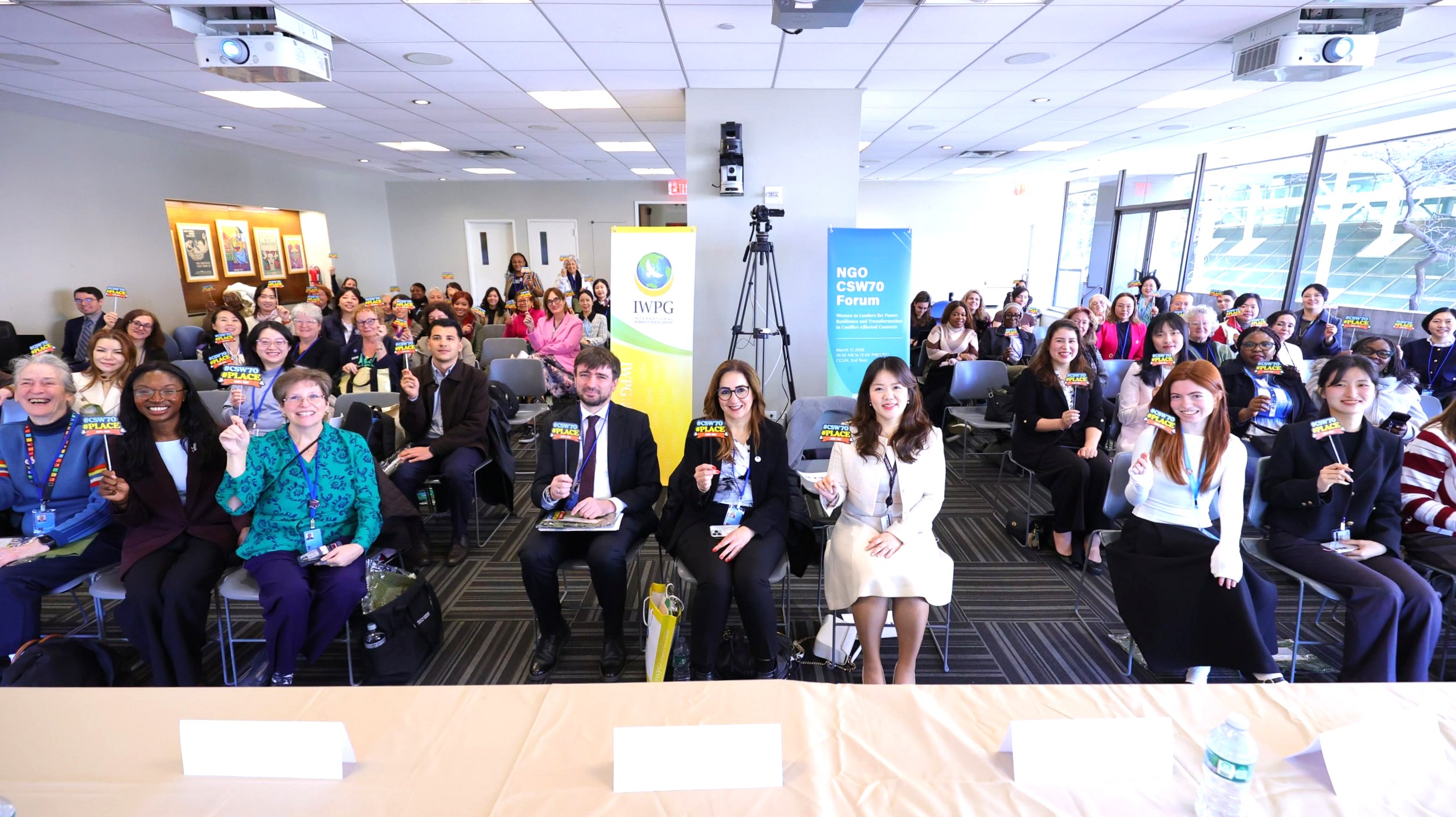
The International Women’s Peace Group (IWPG, Chairwoman Nayeong Jeon) concluded its participation in the 70th Session of the UN Commission on the Status of Women (CSW70) on March 17 (local time) in New York, hosting two consecutive events.
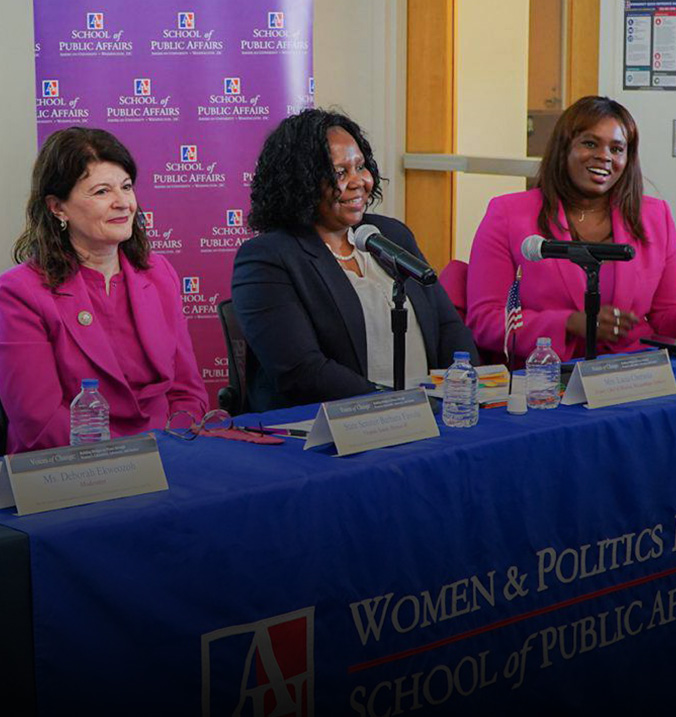
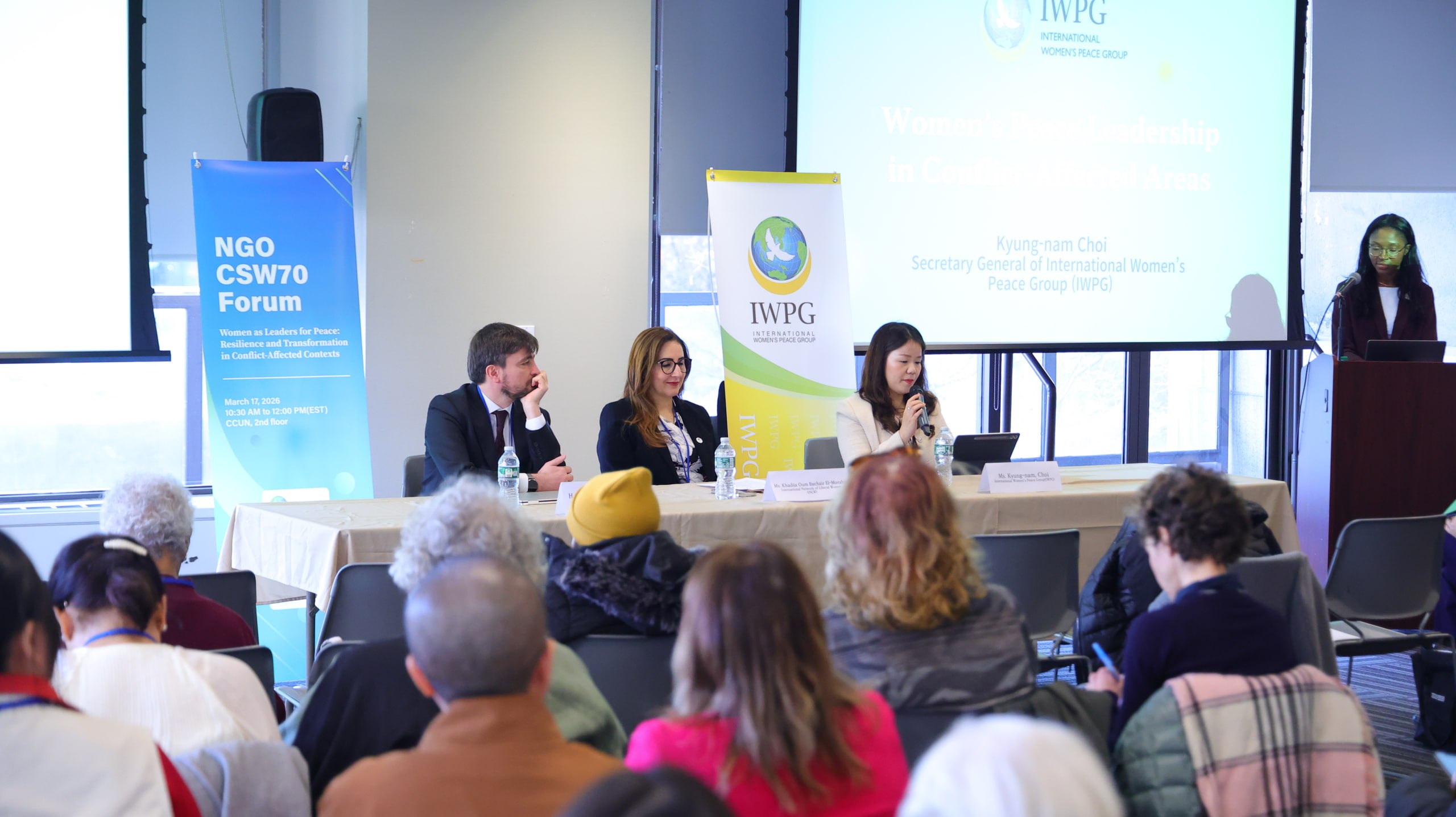
At 10:30 a.m., IWPG co-hosted an NGO parallel event at Church Center UN (CCUN), 2nd Floor, alongside the International Network of Liberal Women (INLW) and the Turkish Green Crescent Society (TGCS). Titled “Women as Leaders for Peace: Resilience and Transformation in Conflict-Affected Contexts,” the event was made possible through the shared commitment of INLW — an international women’s NGO based in the Netherlands — and the Turkish Green Crescent Society, Türkiye’s largest public health NGO, both united around the goal of strengthening women’s peace leadership in conflict-affected areas.
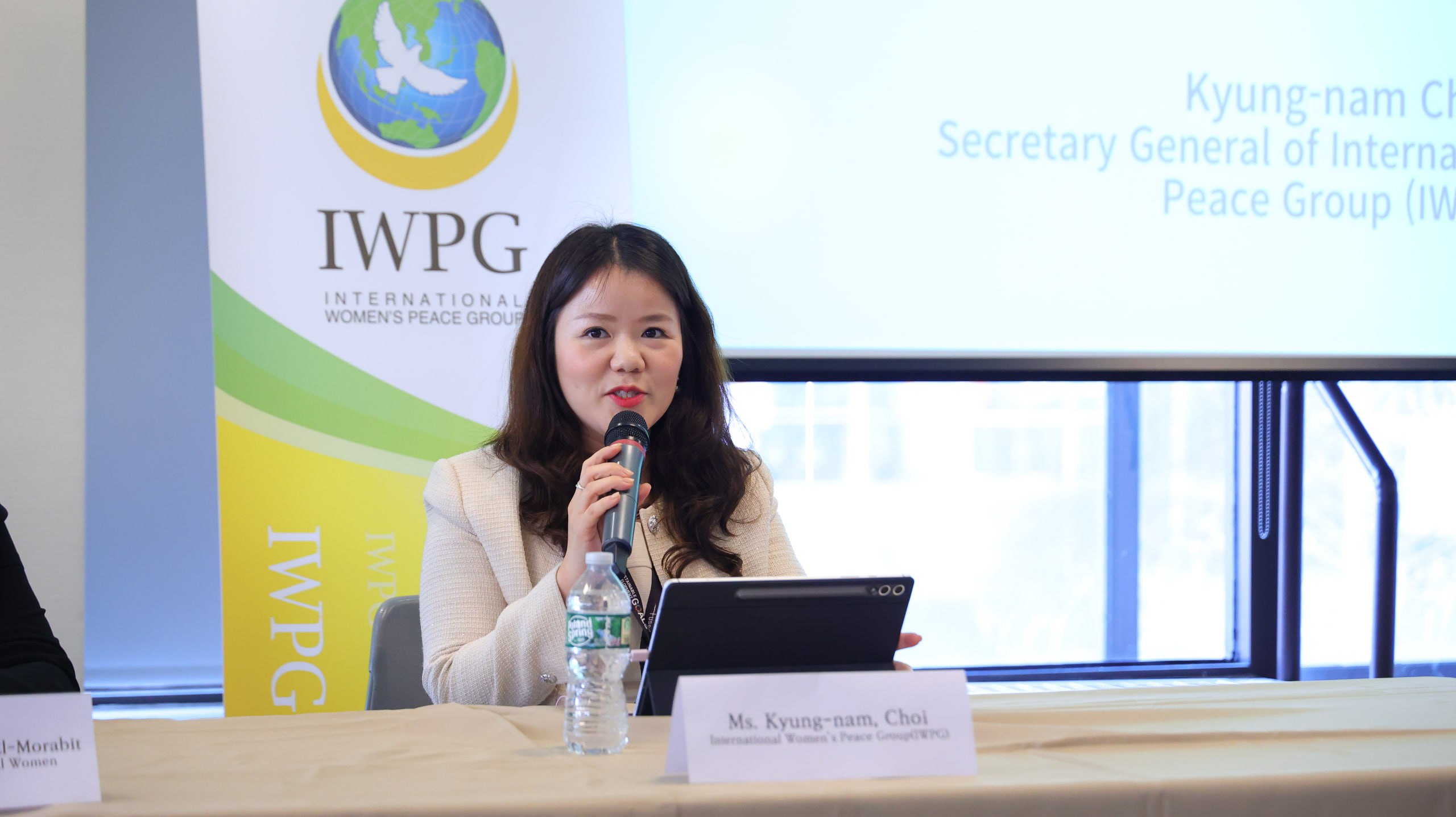
In her keynote address, IWPG Secretary General Kyungnam Choi stated that women are not merely victims or recipients of peace, but core agents capable of restoring communities and rebuilding peace. She outlined three essential conditions for sustainable peace: a shift in women’s self-awareness, the expansion of solidarity networks, and the translation of grassroots voices into policy. “We do not speak for women,” she said. “We help women speak for themselves.”
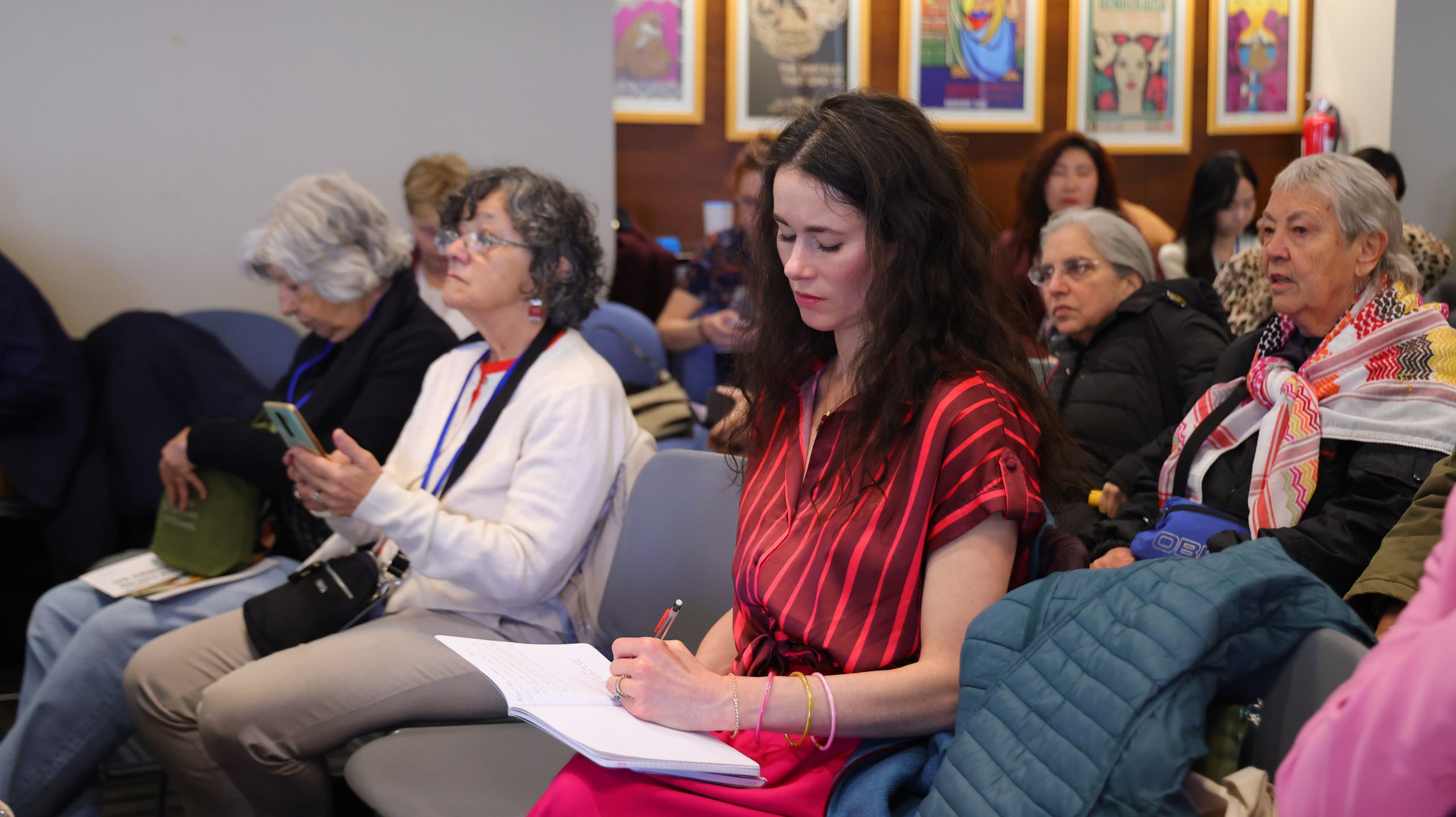
In the second session, IWPG Head of Strategical Planning Kyungmi Lee presented findings from in-depth interviews conducted with women across five conflict-affected countries, including Yemen, Ukraine, and Myanmar. The research showed that women who had received IWPG’s peace education were overcoming the helplessness of war, practicing nonviolent communication, and serving as catalysts for peace and community anchors — spreading peace even within refugee camps. The study demonstrated a ripple effect, in which individual transformation leads to the restoration of trust and collective organizing within families and communities. Lee emphasized that sustaining this kind of grassroots women’s peace leadership requires connection to international platforms and the establishment of institutional support systems.
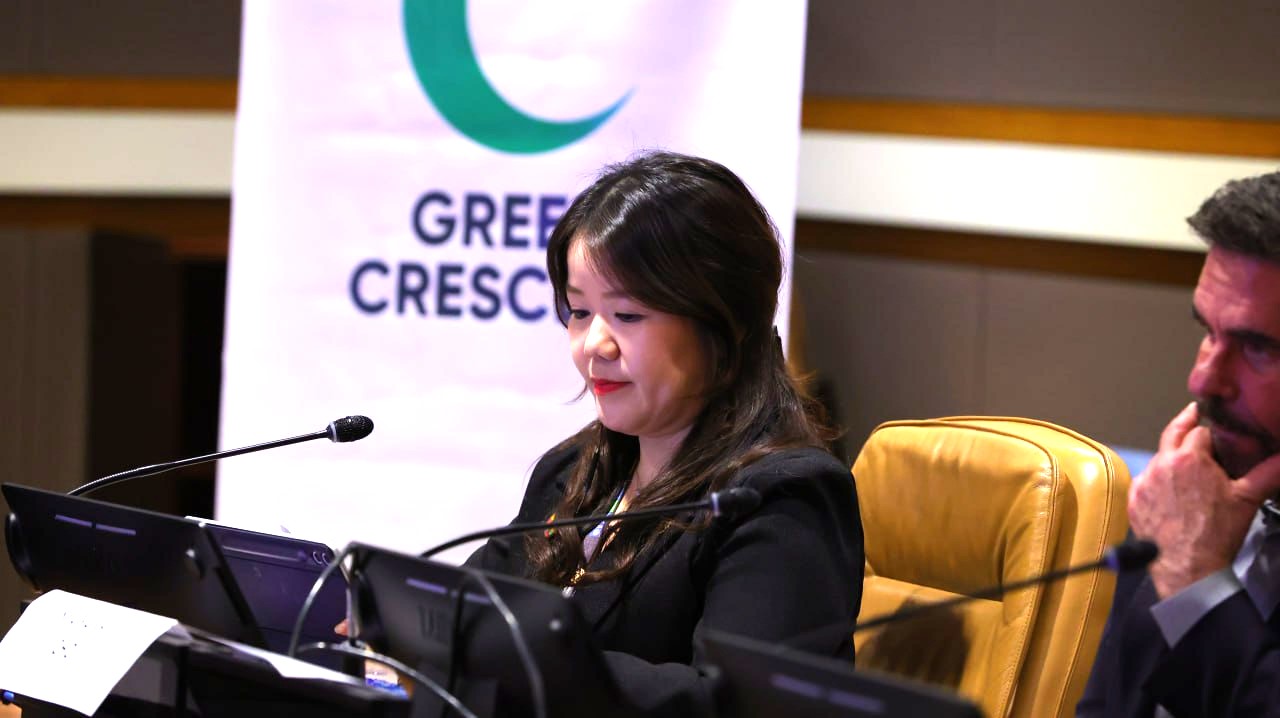
Later that day, a side event was held at UN Headquarters Conference Room 7, co-hosted by the Permanent Mission of Türkiye to the United Nations, the Turkish Green Crescent Society, IWPG, the Slum Child Foundation, the Drug Free America Foundation (DFAF), and Recovery.com. Titled “A Defining Challenge of Our Era: Behavioral Addictions Among Women and Female-Sensitive Public Health Responses,” the session featured IWPG Secretary General Choi drawing on the story of a woman from South Sudan to illustrate the transformative impact of peace education. “When women are isolated, addiction deepens,” she said. “But when women are connected, recovery begins.”
A university professor from Boston who attended the event underscored that solidarity among international women’s organizations committed to peace is essential for driving real change. A participant from a Kenyan international NGO expressed gratitude for the space created for women of action to come together in dialogue, adding that she was already looking forward to the positive changes that would be visible when the group reconvened the following year.
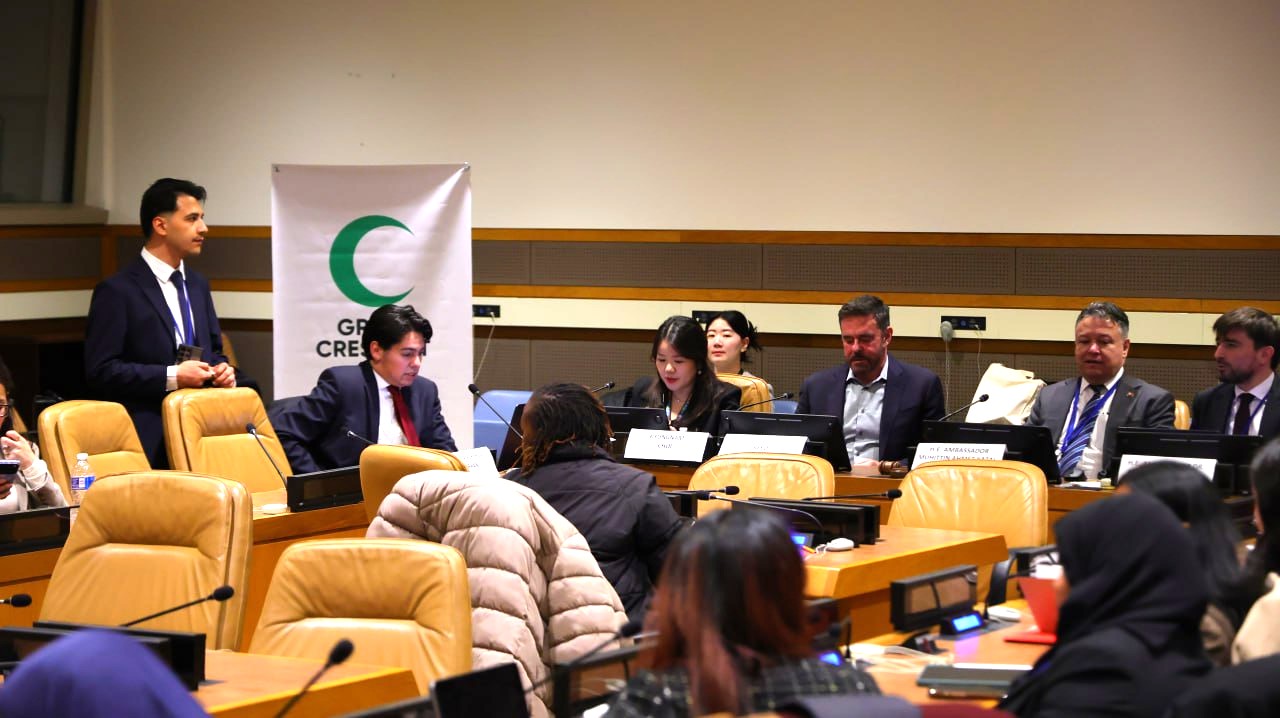
Over the course of CSW70, IWPG carried out joint events with the African Union (AU), the Government of Türkiye and the Turkish Green Crescent Society, INLW, and a range of other international organizations and civil society groups — demonstrating that its collaborative reach now extends across continents and sectors. By engaging substantively with issues ranging from resilience in conflict zones to public health responses, IWPG reinforced its role as a practical and credible partner within the international community.
IWPG is an international women’s NGO registered with the UN Economic and Social Council (ECOSOC), the Department of Global Communications (DGC), and the Republic of Korea’s Ministry of Gender Equality and Family. It currently operates 115 chapters in 122 countries and collaborates with over 900 partner organizations in 68 countries.

Subscribe To Newsletter
We’d love to share everything we do with you. Sign up to stay informed.