Peace Is Not Someone Else’s Story, but Ours — Jung Byung-hyun
2026.04.26
“Peace is not the opposite of war; it exists within your everyday life.”
This statement captures the essence of peace that we need to redefine today. For a long time, we have understood peace primarily through grand narratives—military tensions, negotiations between nations, and the balance of power. Within such discussions, women have often been regarded merely as those who need protection or as beneficiaries waiting for the outcome. People with disabilities, too, have often been left outside these conversations.
Yet peace in reality is not created only in such ways. Peace has already been present, often unnoticed, in the countless everyday acts of caring for children, understanding differences, resolving conflicts, and sustaining communities. Women, in particular, have practiced this form of peace in the realities of everyday life for generations. Among them, the often-unseen efforts and solidarity of women with disabilities have also played an important role.
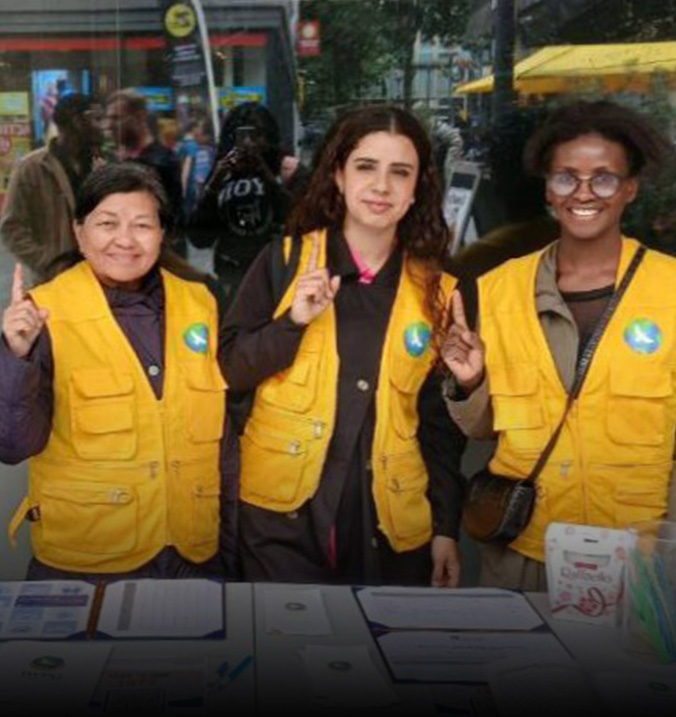
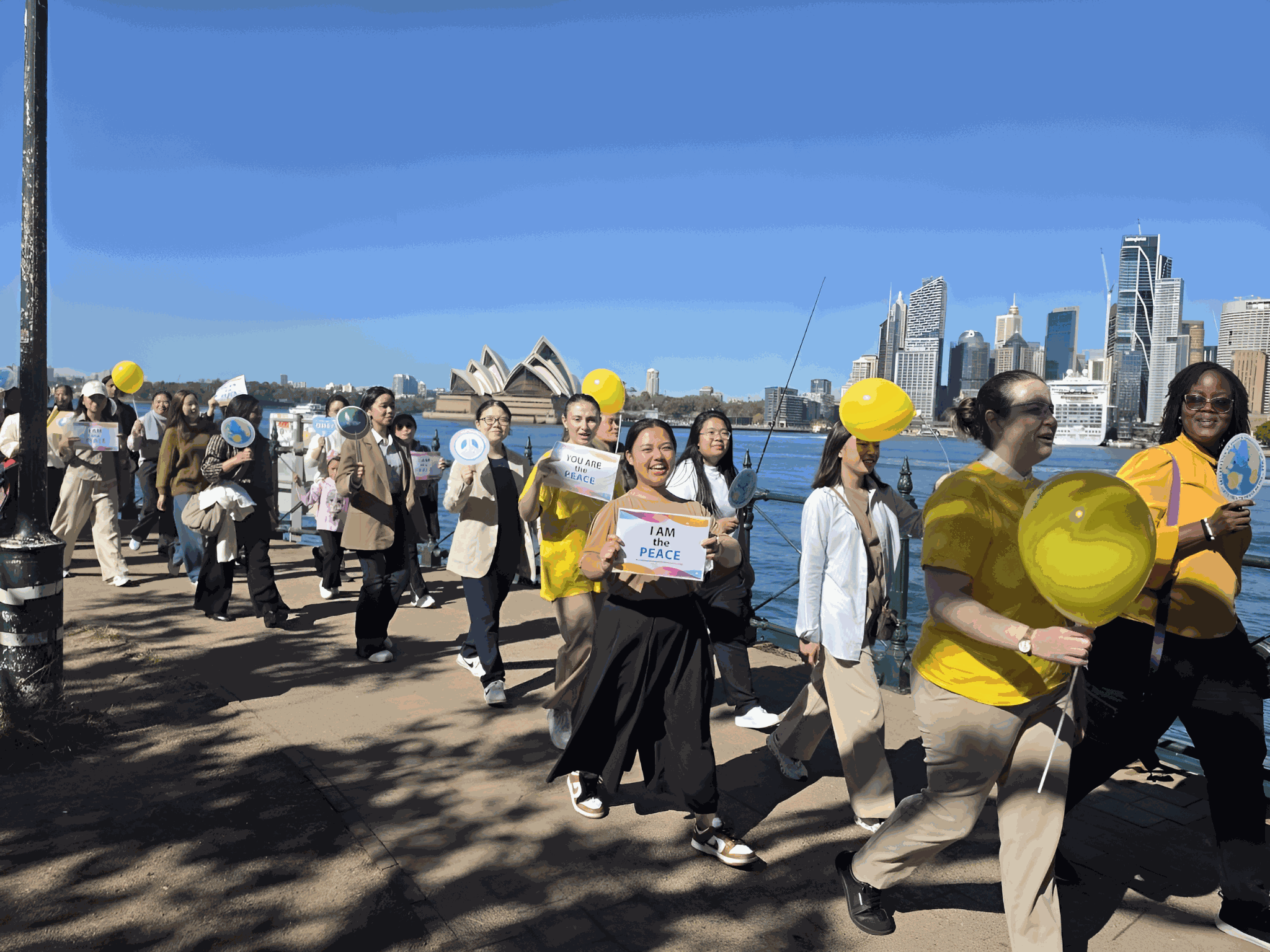
This is where the work of the International Women’s Peace Group (IWPG) offers an interesting perspective. Working throughout local communities, IWPG has participated in events marking the International Day of Persons with Disabilities and other initiatives, going beyond simple support to create opportunities for people to interact and communicate as equals. Helping with mobility, participating in programs together, and creating environments where people with disabilities can take an active role are not simply acts of assistance. They are steps toward building relationships based on living together as members of the same community.
These activities show that peace is not an abstract concept. It is something that is realized through the way we relate to one another.
Nevertheless, women’s role in peacebuilding has not received the attention it deserves. The reason is simple: their experiences have often gone undocumented. This is especially true when the experiences of being a woman and having a disability intersect. Their voices clearly exist, yet they have too often remained unheard.
It is time, therefore, to ask: Whose experiences are recognized as part of peace? And whose lives are still being left out?
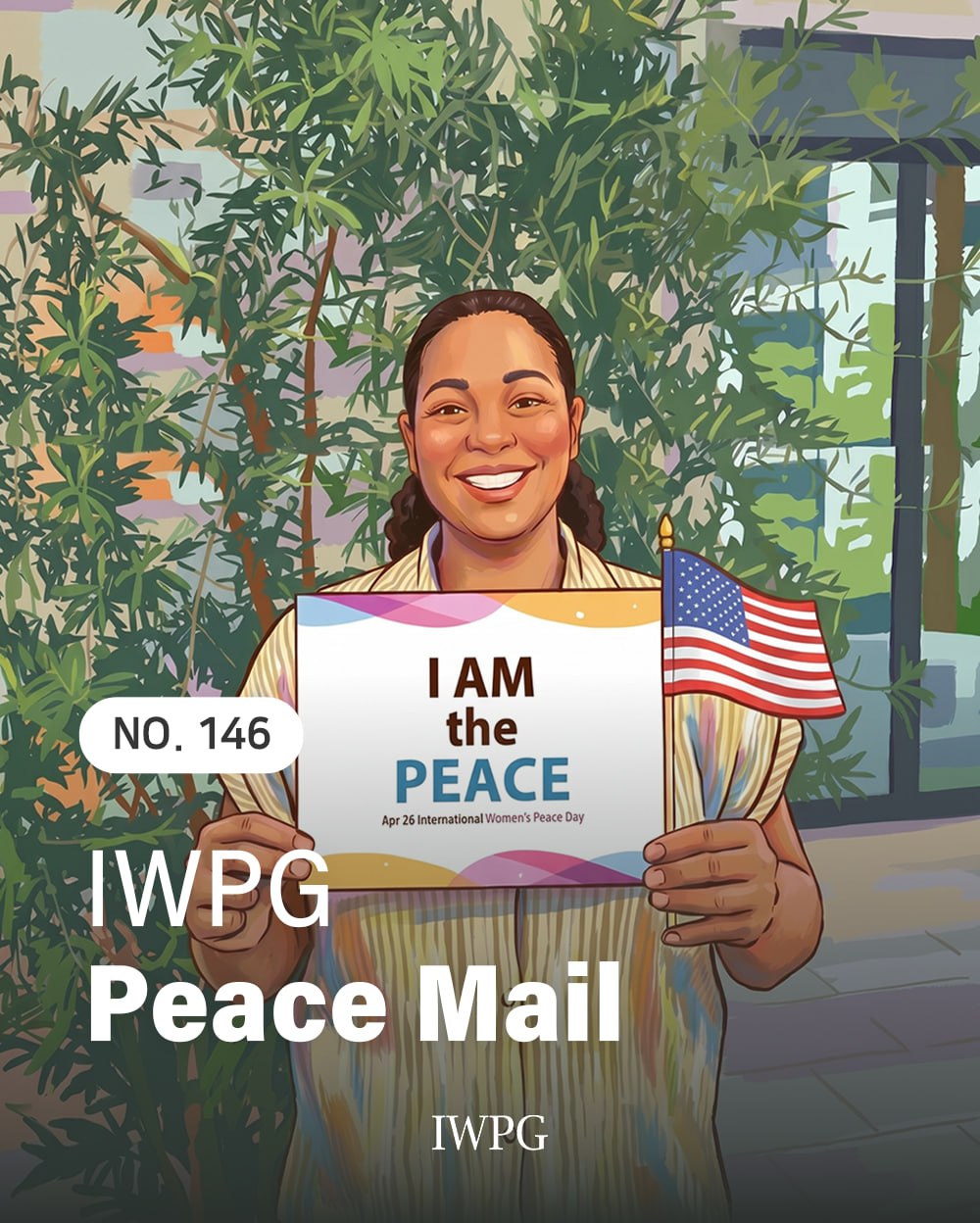
This is precisely where April 26 International Women’s Peace Day, led by IWPG, begins.
The movement began in 2013 with women coming together in their commitment to peace and expanded globally from 2019 onward. What matters is not simply its growth in scale, but its depth and direction. Women are seeking to change the very standards by which peace is defined.
The message of this day is clear:
Peace is not something we wait for. It is something we create.
From the perspective of disability, in particular, peace must become more concrete. Without the right to move freely, the right to access information, and the right to education and employment without discrimination, it is difficult to say that peace has truly been achieved.
A society that speaks of peace while failing to respect both women and people with disabilities can only offer an incomplete form of peace—one that may function on the surface but does not include everyone.
We no longer wait for someone else to create peace for us. There are already people sustaining peace in their own communities: those who continue their daily lives amid conflict and tension, those who refuse to give up on the value of togetherness despite cynicism, and those who choose solidarity over discrimination.
Peace is already beginning in their lives.
April 26.
This day is more than a commemorative occasion. It is a day to recognize that we are all agents of peace.
Your everyday life is peace itself.
And that peace can only be complete when no one is left behind.
April 26, 2026
International Women’s Peace Day
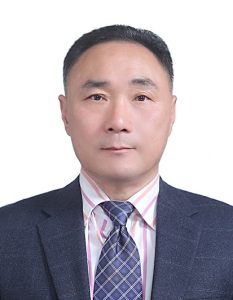
Jung Byung-hyun
Chairman, Iksan Federation of Organizations for Persons with Disabilities

Subscribe To Newsletter
We’d love to share everything we do with you. Sign up to stay informed.