From Wishing for Peace to Building a Future Together: An Interview with Jiyeon Han of IWPG Busan East
2026.10.29
A mother’s wish to give her children a more peaceful world has grown into a commitment to building peace in her community. Han Ji-yeon, Public Relations and Media Team Leader at the Busan East Branch of the International Women’s Peace Group (IWPG) Global Region 4, often read books about peace with her children and talked with them about a better world. Meeting IWPG helped her turn that long-held hope into a goal she could pursue with others.
Today, Han helps share IWPG’s peace initiatives and the values that guide its work with a wider audience. Through her communications work and Peace Book gatherings, she encourages people to reflect on what peace means in everyday life. She also looks for ways to bring lessons from her work and the needs of her local community into future initiatives. For Han, peace is not something to wait for in the distant future. It takes shape when people learn to understand one another, get involved, and turn their shared commitment into action.
How has her journey with IWPG changed the way Han sees peace? We spoke with her about what first brought her to the organization, how her understanding of peace has evolved, and the kind of future she hopes to help create in her community.
From a Mother’s Hope to a Shared Mission
Q. Could you introduce yourself?
A. Hello, I’m Jiyeon Han, Public Relations and Media Team Leader at IWPG’s Busan East Branch, Global Region 4.
My role involves sharing IWPG’s peace initiatives and the values behind them with the public. I also draw on what I learn from activities in the field to help shape future initiatives. Whether I’m writing press releases or organizing opportunities for people to explore peace in their everyday lives, my goal is the same: to help more people understand the value of peace and find ways to put it into practice.
Through this work, I’ve become more aware of what local communities need and how peace can become part of everyday life. For me, communicating about peace is only the beginning. What matters just as much is helping people turn that understanding into action in their own lives and communities.
Q. How did you first encounter IWPG, and what was your first impression?
A. As a mother, I always hoped my child would grow up in a peaceful world. We sometimes read books about peace together and talked about the kind of world we wanted to live in. But until I met IWPG, I hadn’t really explored that hope with others or thought about how we could work together to make it a reality.
Meeting IWPG gave me a place to share something I had carried in my heart for a long time. More importantly, it showed me that there were practical ways to turn that hope into action.
At first, our meeting seemed like a coincidence. Looking back, I realize it became a turning point in my life, helping me move from simply wishing for peace to actively working toward it. What had once been a personal hope became a shared goal, and I found people with whom I could pursue it. That was the beginning of a meaningful change for me.
Q. How has your understanding of peace changed through your work with IWPG?
A. I’ve come to understand that wishing for a peaceful world is not enough. We need practical ways to make that hope a reality, along with the commitment to keep working toward it.
To me, peace means more than living in a world without conflict. It also means creating an environment where people with different experiences and perspectives can understand one another and work together. That takes more than good intentions. We need to recognize what is needed, find ways to respond, and keep our efforts going beyond a single event or activity.
When I look at an issue, I tend to consider the bigger picture, how different elements are connected, and what we can do next. I bring that perspective to IWPG’s work, thinking about how our shared goal of peace can respond to local needs and lead to meaningful action.
I no longer see peace as something distant that we simply hope will come one day. I see it as a responsibility each of us can take on, starting right where we are.
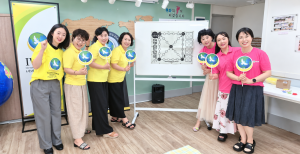
Sharing the Value of Peace and Turning Experience into Action
Q. What has been the most memorable part of your work with IWPG?
A. One of the most rewarding parts of my work has been seeing how conversations about peace can lead to greater understanding and, eventually, action in everyday life.
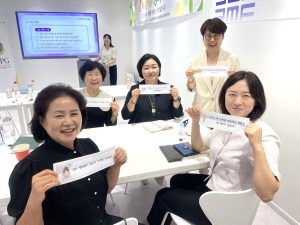
As Public Relations and Media Team Leader, I write press releases and organize Peace Book gatherings where people can reflect on peace and share their thoughts. These two parts of my work give me different ways to connect with IWPG’s initiatives and see how they take shape in the community.
When writing press releases, I try to understand the purpose of each activity and what actually happened on the ground. At Peace Book gatherings, I encourage participants to think about what peace means in their own lives and to learn from one another’s perspectives. Both experiences help me better understand what peace looks like in practice and how IWPG’s future initiatives can respond to the needs of society.
I don’t want the lessons and experiences we gain through our activities to remain just information. They should help us identify what people need and guide us toward practical next steps. Seeing our initiatives take shape gives me confidence in our direction and motivates me to involve more people in building peace.
For me, writing about our activities and organizing Peace Book gatherings are about more than sharing information or promoting a peaceful culture. They help connect what happens in the field with the people and communities those activities are meant to serve. I hope to keep sharing these experiences with a wider audience and finding ways to turn what we learn into meaningful action.
Q. What have you learned or come to realize through your activities?
A. A. I’ve learned that a single activity or event can lead to far greater possibilities and have a much broader impact than originally expected.
Not long ago, a shark nicknamed “Bukangi” appeared in Busan’s North Port and attracted public attention. Although the appearance was unexpected, it also drew people’s attention to the port itself and encouraged them to visit. Watching this unfold made me think about how one event can create opportunities and value beyond its original significance.
That experience has influenced how I look at IWPG’s activities, too. Rather than focusing only on what an activity was designed to achieve, I now think more about how people might respond to it, how it could connect with the local community, and what other opportunities it might open up.
As a communications team leader, I’ve learned that my role involves more than accurately reporting what happened. It also means recognizing the significance of an activity, seeing its potential, and considering how those insights might shape future work. Sometimes, a small need identified in the community can become the starting point for a new initiative. Even an existing activity can reach more people when we look at it from a different angle.
Working with IWPG has taught me to look beyond the tasks in front of me and consider what more they might make possible. I hope to keep drawing on my experience in the field to recognize the broader value of our peace initiatives and develop activities that respond to what the local community actually needs.
Q. What do you think is most important when working together for peace?
A. I believe we need to stay focused on our shared goal while recognizing and making use of our differences and individual strengths.
Everyone brings different experiences, perspectives, and abilities. Working together for peace doesn’t mean expecting everyone to think alike. It means understanding those differences and finding ways for each person to contribute toward a common goal.
Good intentions alone are not enough to sustain activities in a local community. People also need practical ways to work together. That starts with understanding local needs, recognizing what each person or organization can contribute, and finding approaches that allow everyone involved to play a meaningful role.
I believe this is especially important for peace initiatives in Busan East. I want to help bring people and organizations together around our shared commitment to peace, creating opportunities for everyone’s involvement to lead to tangible action.
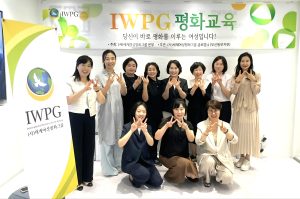
Building Peace in the Community Through Understanding and Participation
Q. What do you think society should change first to move toward peace?
A. I believe we need to create an environment where people can turn their desire for peace into meaningful participation and change.
Through my work communicating IWPG’s initiatives to the public, I’ve come to think beyond simply explaining why peace matters. I also consider how its values can be reflected in people’s daily lives and in the way communities function.
Peace means more than ending war. It also means building a society where people respect one another’s differences, work through everyday disagreements, and learn to live alongside one another. For that to happen, people need more than an awareness of peace. They need opportunities to put it into practice in their own lives.
From what I’ve seen at activity sites, initiatives can encourage broader understanding and participation when they respond to local needs and connect with what matters to community members. Even activities that begin with a specific purpose can have a wider impact when people see how they relate to their own lives.
I believe the first step toward peace is to move beyond simply raising awareness. We need to create opportunities for people to get involved, take action, and see how their participation can make a difference.
Q. What changes would you like to help bring about with IWPG in the future?
A. I want to continue sharing IWPG’s peace initiatives accurately and sincerely, while helping connect our work with the needs of the local community.
I don’t think communications work should stop at announcing events or reporting what happened. It also means understanding the purpose behind each initiative, explaining why it matters, and finding ways to connect it with the people it hopes to reach. Through this work, I hope more people will take an interest in peace, understand its importance, and find opportunities to get involved.
I also want to continue sharing the value of peace through Peace Book gatherings. My hope is to help create an environment where people reflect on peace and put it into practice in their everyday lives and relationships. Peace should not be limited to special events or the efforts of a particular group. It should become part of how we treat and understand one another every day.
I’d also like to connect what I learn through communications and peace activities with the needs of our community, using those insights to develop a wider range of initiatives, including Busan East’s signature project. I’m particularly interested in activities that help people from different backgrounds—including women, children and young people, and multicultural families—understand one another and take part together. By identifying opportunities for local residents and organizations to participate and listening to what people need, I hope we can lay the groundwork for peace initiatives that can continue and grow over time.
Ultimately, I want to help create a cycle in which peace initiatives do more than raise awareness: they encourage understanding, bring more people into the process, and inspire further action. When we communicate the value of peace, practice it in everyday life, and turn what we learn from the community into concrete initiatives, I believe our work can become a lasting part of the community.
Q. If someone asked you, “What have you done for peace?” how would you answer?
A. I would say that my work for peace began with a mother’s wish for her child to grow up in a peaceful world. At first, I simply hoped I could pass that kind of world on to my child. Now, I believe I shouldn’t just wait for that future to arrive. I need to take part in building it.
My connection with IWPG has given me a way to turn that hope into action. Through my communications work, I share the purpose and value of peace initiatives. Through Peace Book gatherings, I connect with people and encourage them to reflect on what peace means in their everyday lives. And by listening to the needs of the local community, I can help consider how our activities might respond more effectively.
There is still much to be done. I believe taking responsibility for the future we hope to create matters just as much as looking back at what we have already accomplished. I want the work I do to encourage understanding and participation, contribute to the changes our community needs, and open the way for further action.
I began working for peace because I wanted my child to inherit a peaceful world. Today, I want to do more than hope that such a world will come. I want to help build it—together with my child and the people around me.

Subscribe To Newsletter
We’d love to share everything we do with you. Sign up to stay informed.