“Peace Is a Commitment We Must Sustain” An Interview with Maria Theresa Timbol, Who Helped Lead Kapalong’s Transformation
2026.10.07

Kapalong, Davao del Norte, Philippines, has undergone a significant transformation from a community affected by armed conflict into a peaceful community. Throughout this process, the participation of women and young people has played an important role in strengthening the community and sustaining peace.
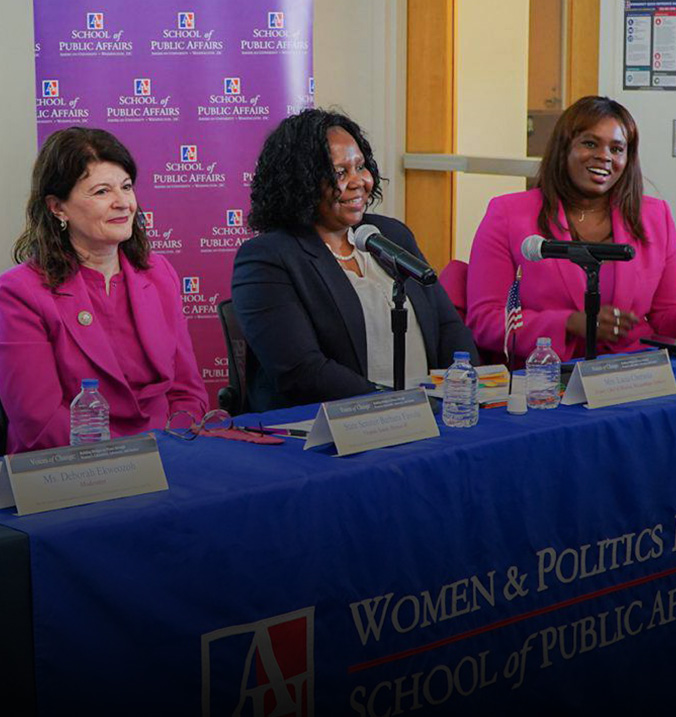
Maria Theresa Royo Timbol is a former Mayor and Vice Mayor of Kapalong and currently serves as President of the Kapalong Council of Women. She has continued to work for women’s empowerment, peace education, and community development, while also participating in peace initiatives with the International Women’s Peace Group (IWPG), including Peace Leadership Training & Education (PLTE).
What does it take to build and sustain peace in a community that has experienced conflict? Timbol spoke with IWPG Inside about Kapalong’s transformation, the meaning of peace, the role of women in peacebuilding, and the importance of passing peace on to the next generation.
Learning What Peace Means in a Community Once Affected by Conflict
Q. Could you tell us about your current activities and roles?
A. I previously served as Mayor and Vice Mayor of Kapalong, and I currently serve as President of the Kapalong Council of Women. I also serve as Vice President of the One Davao Association of Women, a Board Director of the National Federation of Women’s Clubs Philippines, and a member of FAWA.
As a Publicity Ambassador for IWPG, I also participate in activities related to women’s empowerment, peacebuilding, and community development. Through these different roles, I hope to contribute to creating opportunities for women to raise their voices and take a more active role in building peace within their communities.
Q. How did you first become connected with IWPG?
A. I first became connected with IWPG through the HWPL 9·18 World Peace Summit in 2016.
I was deeply impressed by the sight of people from different countries and generations coming together with one common purpose: peace. That experience helped me realize that peace is not only an issue for nations or the international community. It can also begin within local communities.
I especially came to believe that even communities that have experienced conflict can build peace when people unite, understand one another, and work together. That experience inspired me to promote unity, understanding, and cooperation in Kapalong as well.

Q. How did your work as a public servant and your peace activities with IWPG influence each other?
A. During my term as Mayor, I promoted women’s empowerment, peace education, and youth engagement as important areas of work. I also participated in peace pacts and various peace-related initiatives.
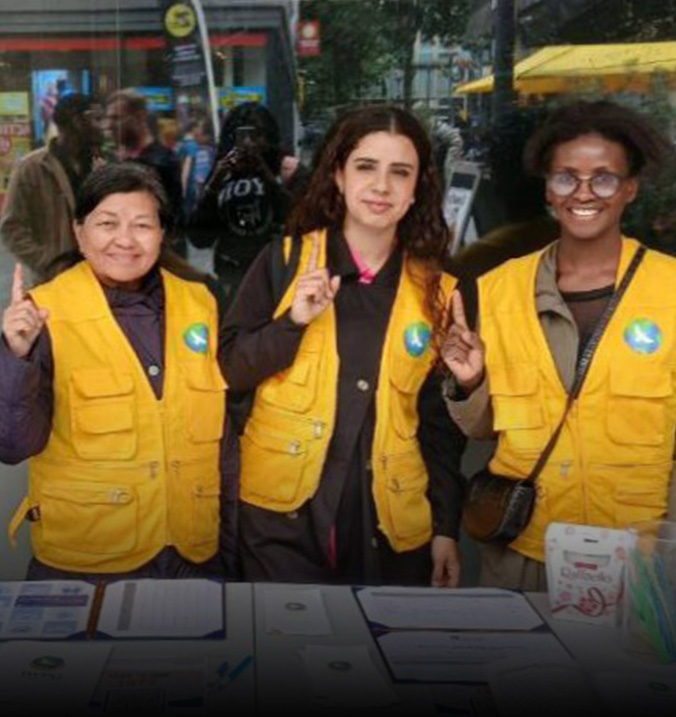
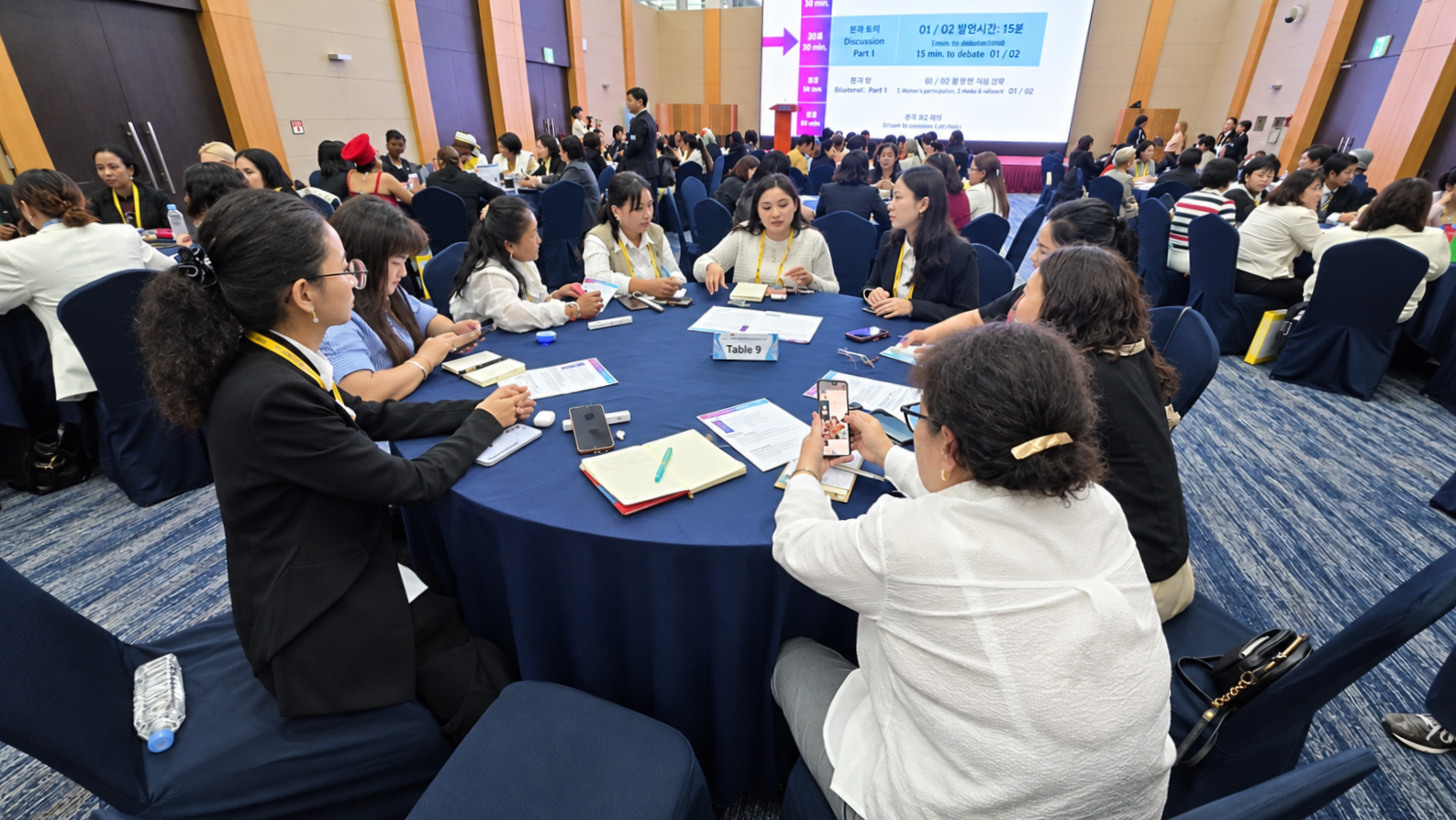
I participated in two batches of IWPG’s Peace Leadership Training & Education (PLTE), supported IPYG activities beginning in 2025, and took part in Peace Art Competitions. One of the winning artworks was also brought to Korea. In addition, the Local Government Unit of Kapalong institutionalized a Peace Day.
Kapalong has transformed from a community affected by armed conflict into a peaceful community. However, I believe achieving peace is only the beginning. To sustain peace, we need education, unity, and the continued participation of the community.
As a public servant, I will continue to contribute to this process with integrity, dedication, and a spirit of service.
Q. Having witnessed Kapalong’s transformation, how has your understanding of peace changed? What does peace mean to you now?
A. In the past, I thought of peace simply as the absence of conflict. Now, I understand that peace must be actively built, nurtured, and sustained.
Peace means creating an environment where people feel safe, heard, respected, and united. Women and young people, in particular, should have opportunities to participate in this process.
Peace is not something that ends with one agreement or declaration. It should become a way of life. We also have a responsibility to protect the peace we have built and pass it on to the next generation.

Women’s Participation Builds Stronger Communities
Q. What was the most challenging part of your peacebuilding work, and what has been the most rewarding?
A. One of the greatest challenges was seeing Kapalong affected by armed conflict. Women were among those most affected, yet they often had limited opportunities to participate in decision-making or make their voices heard.
This strengthened my determination to empower women and ensure that they can actively participate in the peace process.
The most rewarding experience has been seeing the community gradually achieve and sustain peace. It has also been meaningful to see women become empowered and actively participate across different sectors.
Peace becomes truly meaningful when people are not only safe, but also empowered to help build and sustain peace themselves.
Q. What did completing IWPG’s Peace Leadership Training Education (PLTE) mean to you?
A. Completing PLTE was a very meaningful and overwhelming experience. I learned more about peace and conflict prevention and gained a deeper understanding of the important role women can play in peacebuilding.
I particularly appreciated that the training was active and participatory, allowing participants to share their own experiences and learn from one another.
I believe more women should participate in peace education. Peace education should not be limited to one group. The knowledge and experience gained through the training should be shared with families, communities, and different sectors.
When women are empowered, they can become active partners in building peace.
Q. Could you tell us about the IWPG Peace Monument No. 3 in Green Paradise and what it means to the community?
A. Green Paradise was once a slum and an area affected by gang-related problems. Over time, it was transformed into a peaceful, community-centered place where people could come together.
We chose the location because the monument would be visible and accessible to many people. There were financial challenges along the way, but by God’s grace, we were able to complete the monument.
To me, the monument is more than a physical structure. It symbolizes the transformation of the community and represents how peace has taken root and continues to grow here.

Q. What changes have you seen in the community since the unveiling of the Peace Monument?
A. The Peace Monument has become a visible reminder of peace in everyday life. The fact that it stands in an area that was once affected by conflict and gang-related problems itself demonstrates how much the community has changed.
When people see the monument, visit it, and learn about its meaning, they are reminded that peace is not something achieved once and then forgotten. It must be lived and sustained every day.
It also encourages young people, women, and other members of the community to value unity, respect, and peaceful coexistence.
When people gather at the monument, visit it, and recognize its meaning, it becomes a tangible sign that a peaceful culture is taking root and growing within the community.
Peace Begins at Home and Continues to the Next Generation
Q. As a woman leader, what has been one of the biggest obstacles you have faced?
A. One of the biggest obstacles has been the perception that women are not capable of leading. In particular, when it comes to peace and conflict-related issues, women’s voices are sometimes not given equal weight.
I have tried to demonstrate through dedication, integrity, and service that women can be strong partners in peacebuilding.
When women are given opportunities and their voices are heard, the entire community becomes stronger. Peace is not only about ending conflict. It is also about creating space for women to participate and be heard.

Q. What is the first step individuals and families can take to build peace in their daily lives?
A. I believe peace begins at home. It starts with respect, understanding, communication, and forgiveness.
Children carry the values they learn at home into their communities. That is why it is important for families to demonstrate respect and listen to one another.
In communities that have experienced conflict, we need to create a culture of listening and dialogue. Small acts of understanding and choosing dialogue over division can begin at home and gradually grow into change throughout the community.
Q. What would you like to accomplish with IWPG in the future, and what message would you like to share with people working for peace?
A. My greatest goal is to help sustain peace and ensure that it is protected, nurtured, and passed on to the next generation.
I also want to continue empowering women and communities so that they can become active partners in building and sustaining peace.
My message to everyone is: never lose hope. Lead with integrity, serve with humility, and remember that peace begins with each of us.
Small acts of understanding, courage, and unity can create lasting change in our communities.


Subscribe To Newsletter
We’d love to share everything we do with you. Sign up to stay informed.