“Peace Was Not a Distant Ideal”: How Learning Changed Women’s Perspectives
2026.10.11
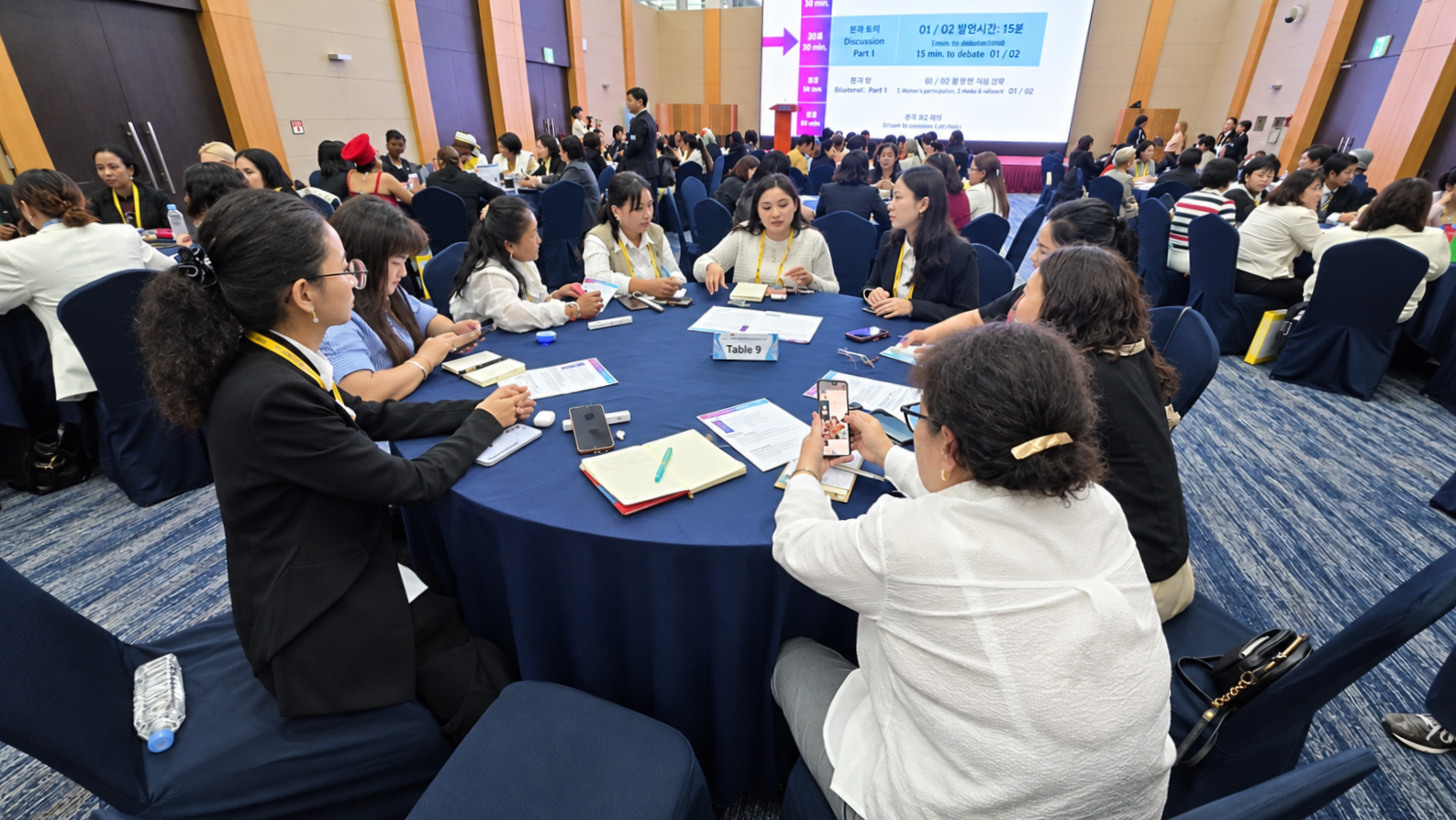
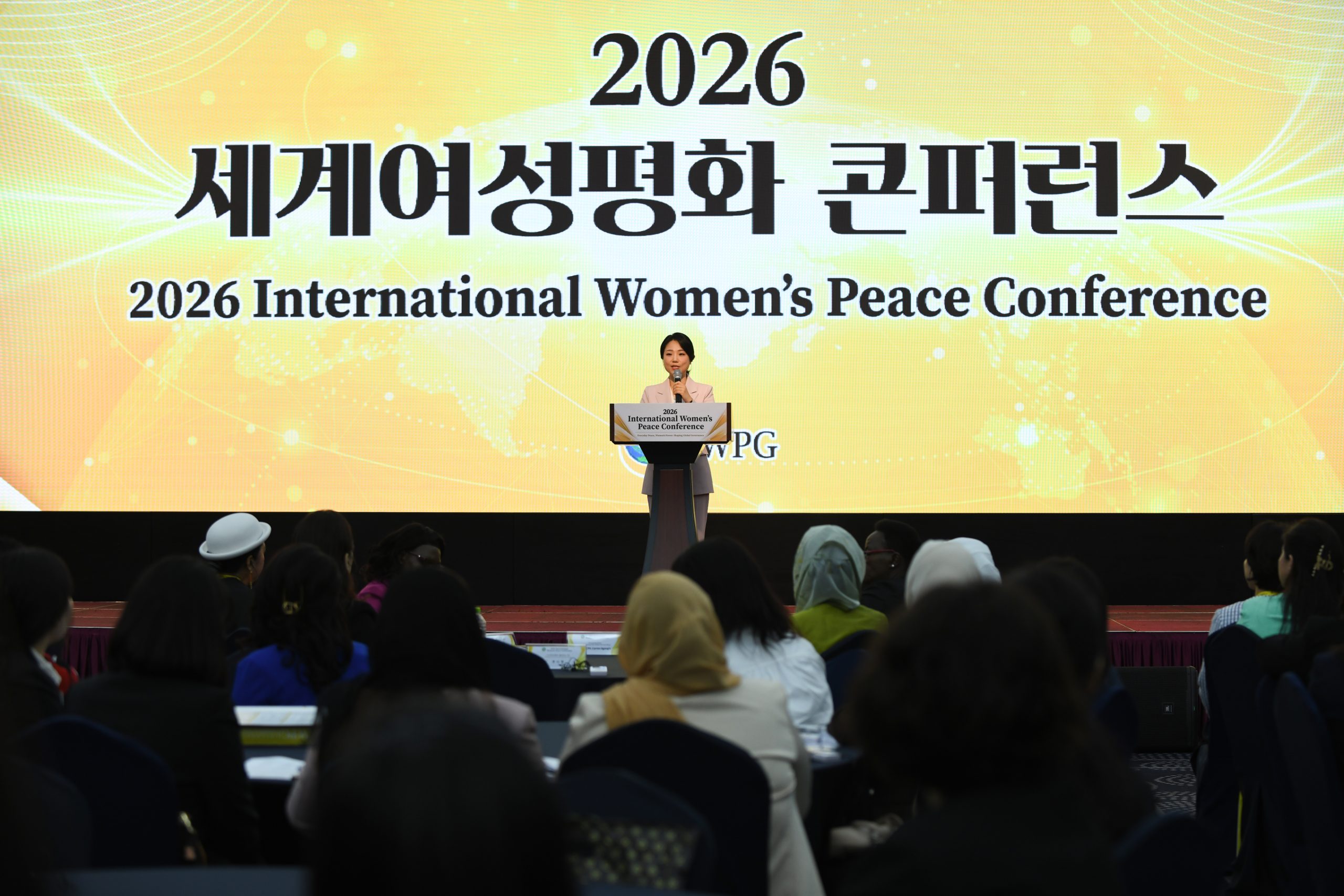
These are some of the changes described by participants in the Peace Leadership Training and Education (PLTE) program of the International Women’s Peace Group (IWPG). Women and other participants from Lebanon, Pakistan, South Africa, Lesotho, Namibia, Madagascar, and South Korea reflected on what they had learned in different settings. A common theme emerged from their experiences: peace was no longer just an abstract ideal, but something they could put into practice in their own lives and communities.
From a Distant Ideal to Something We Can Practice Every Day
From Listening to Women’s Voices to Standing Up for Them
The changes inspired by peace education extended beyond personal attitudes. Participants also began to consider how they could listen to others and what roles they could play in society.
Tshepo, a Johannesburg municipal employee, said he had been mocked for attending a women’s education program. Yet the experience led him to reflect on the leadership roles women hold in the nonprofit sector and the importance of supporting them.
He recalled a situation in his own field in which a woman had been placed in a position of authority, but male colleagues were unwilling to follow her leadership. Looking back, he realized that he could have supported her. He also came to understand how he could become an ally when women’s voices are overlooked or go unheard.
In this way, peace became a practical guide for action. Rather than simply hoping for a world without conflict, participants began asking themselves how they should respond when someone’s voice is ignored.
Participants in Lebanon similarly connected international law for peace with their own roles. During the fourth in-person PLTE lesson on September 15, Rama Al-Rifai said the lecture encouraged her to look at the subject from a new perspective rather than simply absorb information. She also reflected on how small details that people often overlook can have a significant impact on their lives and society.
Rana Sharaf Al-Din said the most valuable part of the lesson was not the amount of information she gained, but the thoughts that remained with her after the class ended. What mattered was being able to put what she had learned into practice and share it with others.
Participants in Lebanon explored how international law can contribute to conflict resolution and peacebuilding. They also reflected on how peace that begins within individuals can extend to families, communities, and the international community. Rather than treating international law as knowledge disconnected from their own lives, they considered what they themselves could do to help build peace.
Beyond Citizens’ Responsibilities: The Role of Society and Government
Participants’ reflections on who is responsible for building peace also led them to reconsider the roles of governments and society.
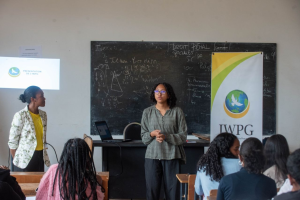
During a discussion at the eighth PLTE lesson on October 3, students from the United Nations Club at the Faculty of Law of the University of Antananarivo in Madagascar examined civic awareness and government responsibility. One student said they had previously viewed a lack of civic awareness as Madagascar’s main problem. Through the course, however, they came to understand that civic awareness alone was not enough: governments and citizens have complementary responsibilities.
The student noted that the principle seemed familiar and logical, yet had not been reflected in the country’s reality for many years. The lesson helped restore a deeper appreciation of its importance.
Peace cannot be achieved through individual effort alone, nor does it emerge automatically from the establishment of institutions. It takes shape when citizens and governments each fulfill their responsibilities.
Students at the University of Namibia also joined the program with a desire to learn more about peace and grow as individuals. Olivia Kamwi said she was inspired by women who visited her university to empower others. She hoped to take similar steps to support people in her own community. The course also helped her recognize that peace extends beyond inner peace.
In South Korea, older participants attending the first PLTE lesson at Samhak Dori Senior Center in Chungju on September 3 reflected on the importance of valuing themselves and others and maintaining a sense of gratitude. Their responses showed how peace can be understood through everyday relationships built on mutual respect and shared experiences.
Across these different settings, participants came to recognize that peace begins with small actions in daily life. Respecting oneself, listening to others, and showing consideration for family members and neighbors can all be starting points for building peace.

Subscribe To Newsletter
We’d love to share everything we do with you. Sign up to stay informed.