Turning Peace Activities into Stories of Change — Han Ji-yeon, Public Relations and Media Team Leader, IWPG Global Region 4
2026.10.17

Although I did not come from a journalism background, working in communications has taught me to look for certain familiar elements: an event photo, the number of attendees, and the phrase “successfully concluded.” The same habits carry over into writing about peace activities. Once the schedule, purpose, and smiling faces of participants are included, a story can seem complete.
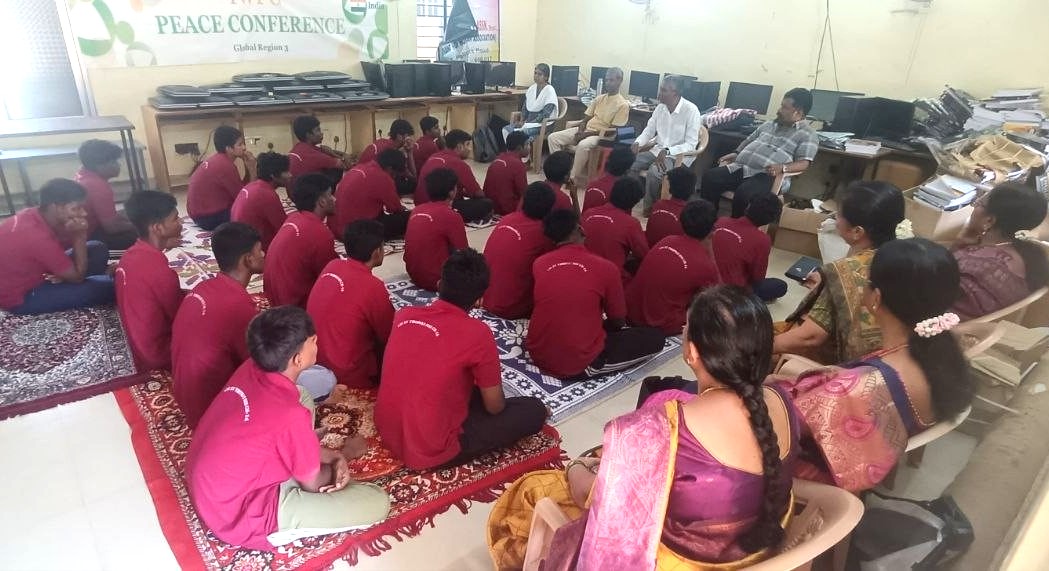
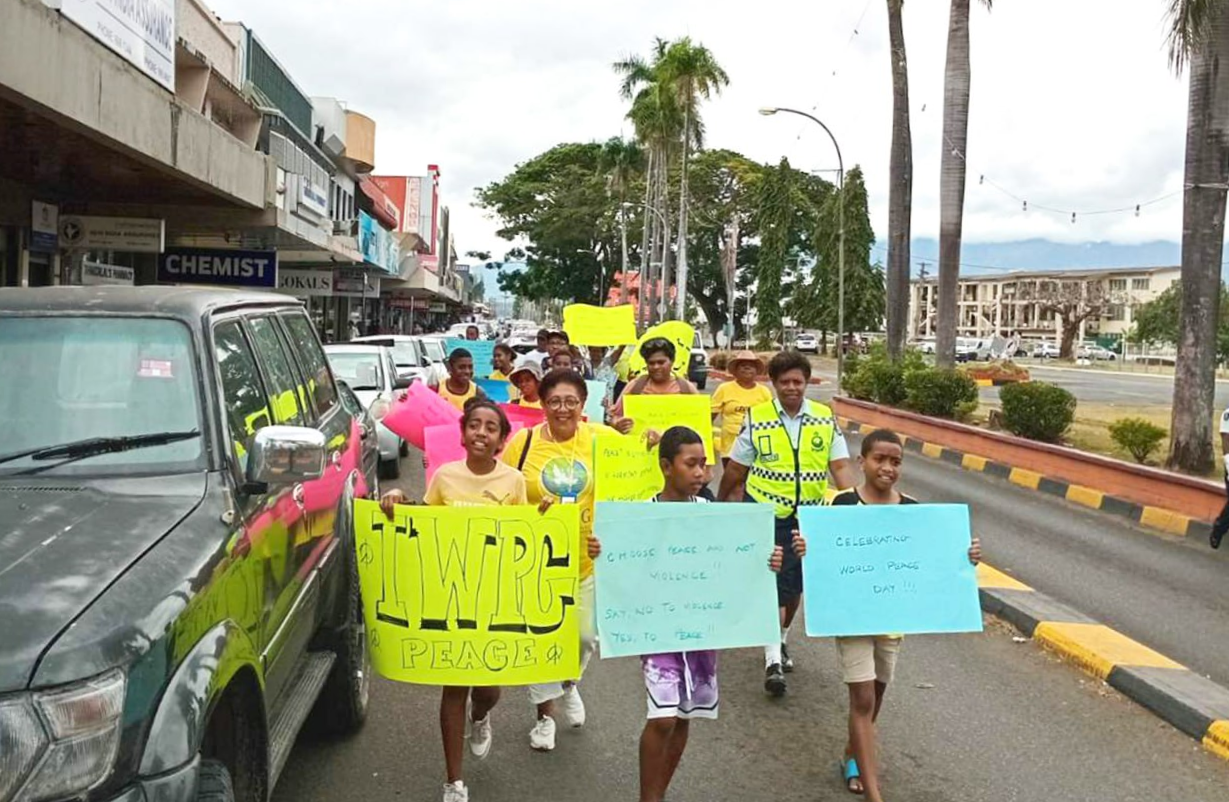
About a month after sending out a press release, however, I found myself wondering what had happened after the event. What were the people who had gathered that day doing now? The event had been documented, and there were records of the participants who attended, but I had no way of knowing what impact the experience had made on their thoughts or daily lives.
Peace activities do not end when an event wraps up successfully. The values learned through education must be put into practice in everyday life. People with different perspectives need opportunities to exchange ideas and find common ground. Communities must also identify shared challenges and work together to address them. Attendance figures may show the scale of participation on the day, but the lasting significance of an activity lies in the changes it brings to people’s thinking and behavior afterward.
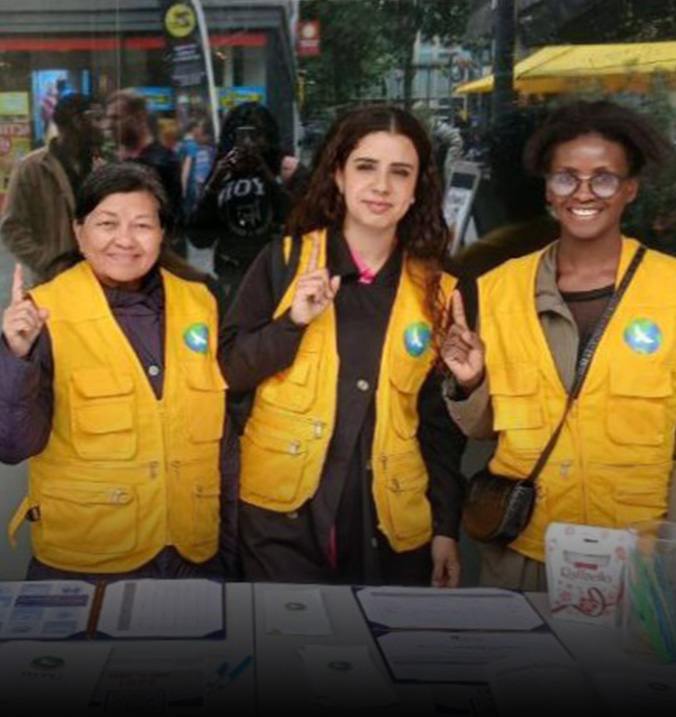
The role of communications needs to evolve as well. Rather than simply reporting when and where an event took place and what happened, we need to explain why it began and capture the conversations that took place on the ground. When covering peace education, it is more meaningful to share the ideas that participants take away than merely to report that a session was held. When covering volunteer work, we should look beyond the number of volunteers and show the challenges facing the community, as well as the relationships built between volunteers and local residents. When the background and process are made clear, readers are more likely to see peace not as an abstract slogan or someone else’s initiative, but as a value they can put into practice in their own lives.
Documentation can also help shape future activities. By reviewing feedback and participants’ responses, we can identify what worked well and what needs improvement. We can create opportunities for follow-up education and continued communication so that participants remain engaged. When working with local organizations, we should also discuss how their resources and experience can contribute to future initiatives, rather than allowing collaboration to end with a single event. If reports are simply filed away, each activity risks starting from scratch. When records inform future planning, experience accumulates and activities can grow stronger over time.
Of course, not every activity produces visible change right away. People’s perceptions and attitudes toward peace are unlikely to shift after a single educational session or event. Immediate enthusiasm alone, therefore, should not be treated as proof of lasting impact. We need to keep asking whether participants remain engaged, whether opportunities to participate again are available, and whether they have the support needed to put what they have learned into practice. Communicating results and reflecting on them must go hand in hand.
IWPG’s peace activities, too, must go beyond raising awareness of the value of peace and lead to meaningful participation and sustained action. This requires careful planning from the outset, including clear objectives, an understanding of the intended audience, the changes an activity hopes to achieve, and plans for follow-up. The Public Relations and Media Team can document voices from the field, communicate the meaning of each activity accurately, and use accumulated records to help plan and improve future initiatives. When communicating an activity and building on its lessons become part of the same process, the role of communications becomes clearer and more meaningful.
Peace does not take root simply because its ideals are promoted. People need opportunities to understand the value of peace, participate directly, and continue putting it into practice in their daily lives. Writing about peace activities should follow the same principle. Rather than simply listing what took place, a story should explain why an activity began, what was learned along the way, and what could be improved next time. The role of communications in peacebuilding is not only to share the meaning of these activities, but also to help turn their experiences into new opportunities for action.

Subscribe To Newsletter
We’d love to share everything we do with you. Sign up to stay informed.