■ Beyond Conflict: Women’s Peace Leadership toward Hope and Recovery
- Date 17–19 September 2025
- Venue Enford Hotel, Cheongju, Republic of Korea
- Host International Women’s Peace Group (IWPG)
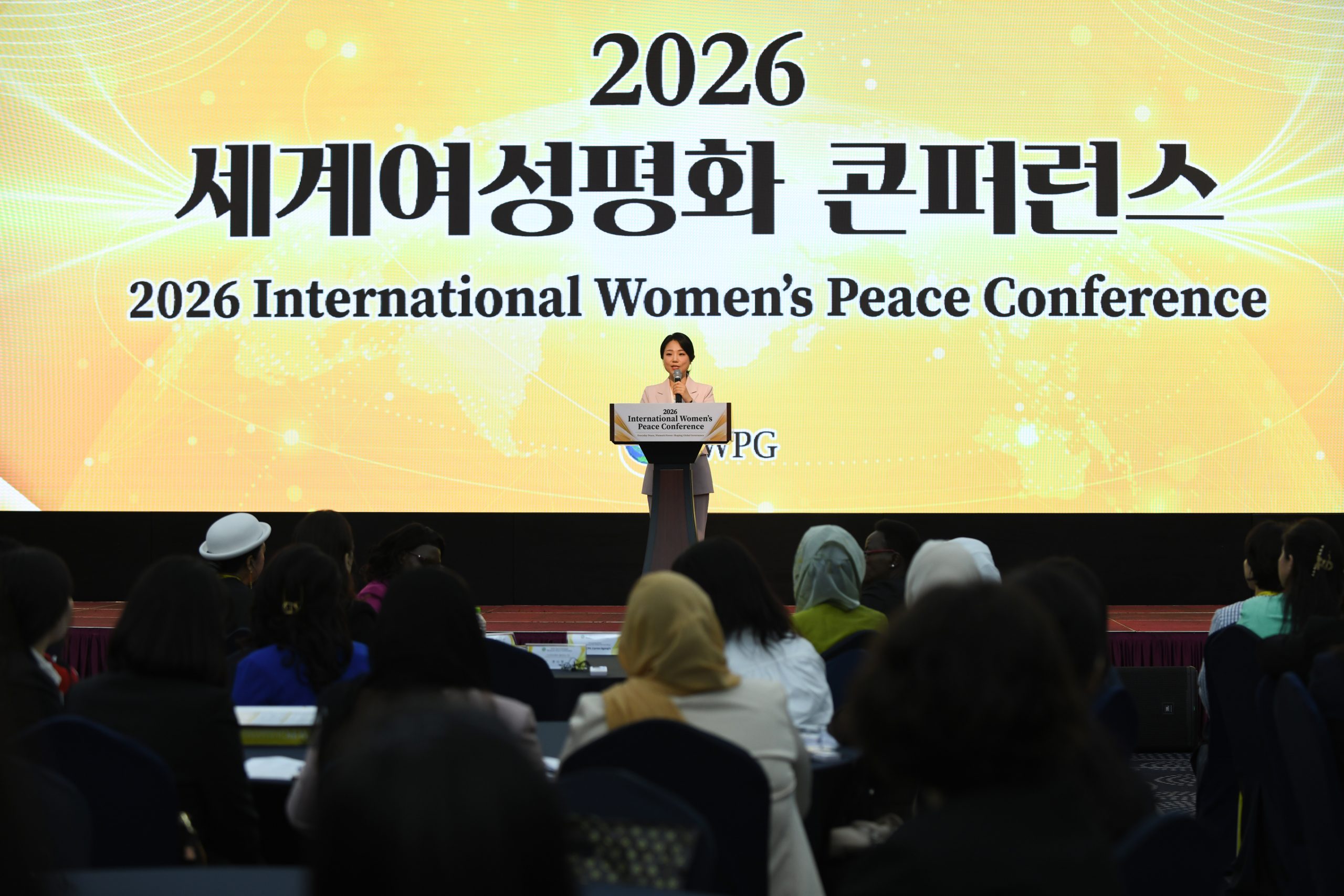
Twenty-five years after the adoption of UN Security Council Resolution 1325, women still make up less than 13% of participants in formal peace negotiations. The 2025 International Women’s Peace Conference recognized women not as victims of conflict but as active architects of peace. Around 800 participants attended, and women peace leaders from around the world shared the experience and insight they had gained on the ground. The conference was held as part of the 11th Anniversary of the September 18th HWPL World Peace Summit.
■ Program Highlights
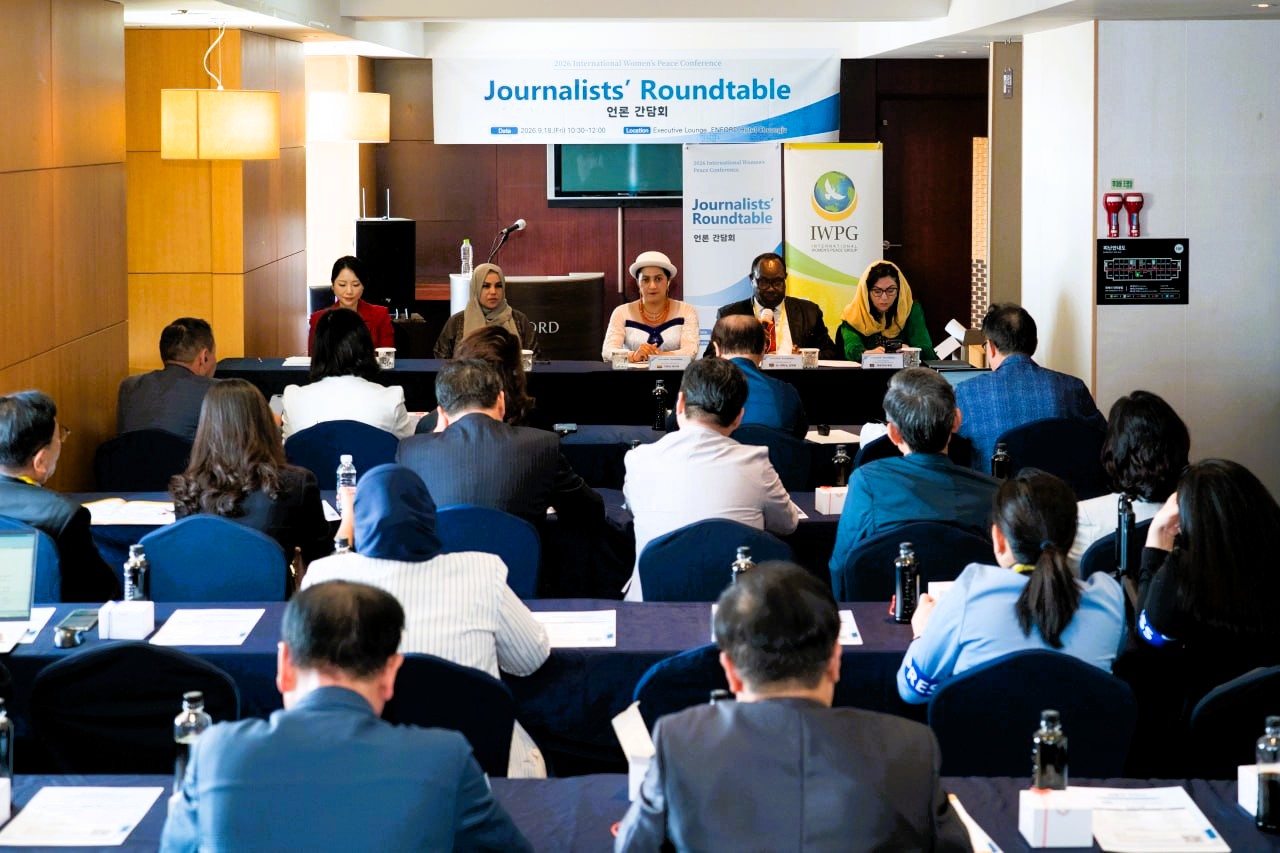
- International Media Press Conference: Introduced the inauguration and vision of IWPG’s newly appointed Chairwoman, Jeon Na-yeong, and IWPG’s peace initiatives.
- Main Session I: Woman and Peace
- Congratulatory remarks: Antigua and Barbuda, Grenada, Chile
- Keynote speeches: Libya, Mali
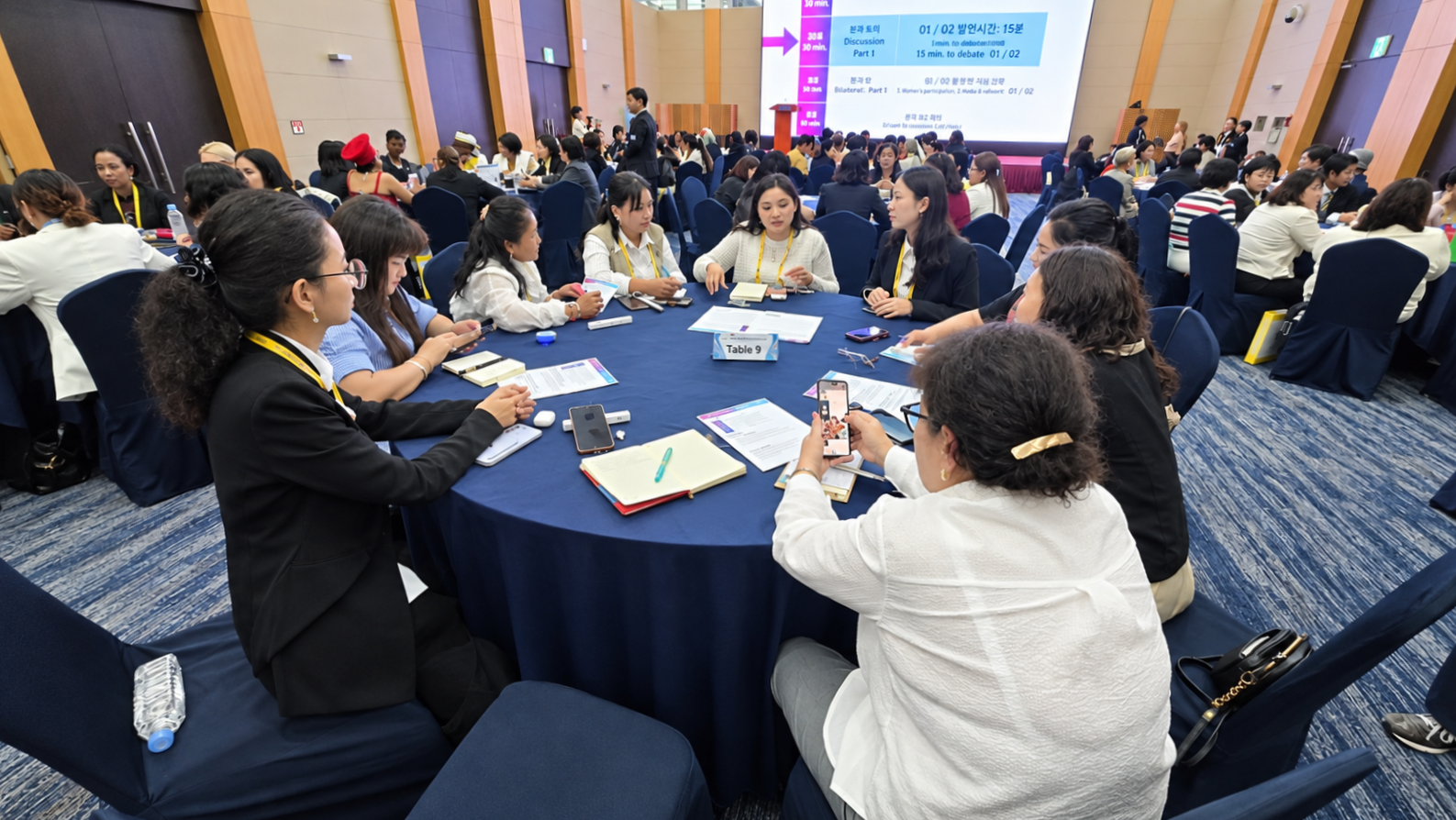
- Part 1, Women’s Leadership: the Turning Point towards Recovery: Belize, Australia, Mongolia
- Part 2, Women’s Insight: the Roadmap toward World Peace: Philippines, Netherlands, South Africa
- Part 3, Women’s Participation: the Foundation of Sustainable Peace: Republic of Korea, African Union (AU CIEFFA)
- Main Session II: Women’s Peace Education: Speakers from Yemen, the UK, Myanmar, and Mongolia presented peace education cases. In the Open Mic, participants from Colombia, Myanmar, Korea, and India shared how peace education had changed their lives.
- Also featured: Peace Culture Lounge (colored-salt making and an exhibition from the 7th International Loving-Peace Art Competition), Plaque of Appreciation and Ambassador Appointment Ceremony, Peace Family Workshop, High-Level Women’s Peace Cooperation Meeting, and Women Networking Dinner
■ Key Messages
Speakers agreed that women’s leadership is the turning point from conflict to recovery. They stressed that peace begins not only on the international stage but in communities and everyday practice, and that it can last only with institutional foundations such as the Declaration of Peace and Cessation of War (DPCW) and the solidarity of civil society. Women’s peace education is at the heart of this effort. Educated women become educators who pass a culture of peace on to the next generation, so peace education turns personal change into change in communities and institutions.
📎 Download the Program Booklet: 2025 IWPC_Program Booklet_EN_261007