[Peace Journey – Cameroon ④] Building Peace on the Global Stage: Cameroonian Women Beyond Their Communities
2026.09.21
In the spring of 2023, Cameroonian women first connected online despite unreliable internet access. Today, they are sharing the realities of their country on the international stage. One such opportunity came at the 2026 Global Women’s Peace Forum, held online over two days beginning July 20, 2026.
A total of 1,067 women took part in the forum across four regions: Asia-Pacific, Africa and Europe, the Americas, and South Asia and the Middle East. Participants discussed regional security challenges and the structural barriers that limit women’s participation in peacebuilding. The forum also provided an opportunity to gather firsthand experiences and proposals from different countries in preparation for the 2026 Global Women’s Peace Recommendation Proposal, ahead of the 2026 International Women’s Peace Conference in South Korea that September.
Bringing the Reality of Conflict to the International Community
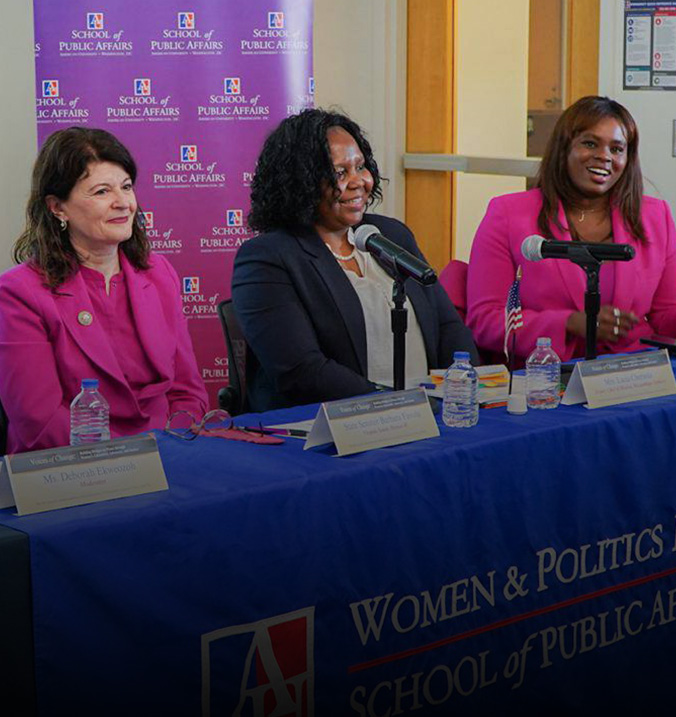
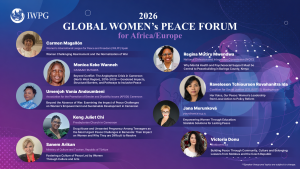
During the Africa session, three Cameroonian women leaders spoke about the impact of conflict on women and local communities, focusing on the Anglophone Crisis in the country’s Northwest Region, which has continued since 2016. Drawing on their work in different fields, they described challenges facing their communities and outlined changes needed to achieve lasting peace.
Monica Keke Wanneh, Manager of CANAAN-RUTAWA Cooperative, described how the prolonged Anglophone Crisis has displaced more than 500,000 people. Movement restrictions and so-called “ghost town” shutdowns have become part of everyday life, while the conflict has taken a serious toll on the health and livelihoods of women and children. She cited increases in gender-based violence (GBV) of 40%, a 34% decline in antenatal care attendance, and a 70% drop in hospital births. “Women’s participation in peace processes is not simply about securing representation; it is the most strategic investment in building sustainable peace,” she said.
Umenjoh Vania Andoumbeni, President of the Association for the Promotion of Gender and Disability Issues (APGDI), explored peace from the perspective of human rights and human dignity. “Peace is not merely the absence of war or gunfire, but a condition in which everyone can enjoy human rights, freedom, dignity, and well-being,” she said. She also described the economic hardship, psychological trauma, and poverty faced by women who have lost family breadwinners and been displaced by conflict. She stressed that inclusive peace can only be achieved when women are safe, have the opportunity to strengthen their capabilities, and can participate meaningfully in decision-making.
Keng Juliet Chi, Project Manager at the Presbyterian Church in Cameroon Peace Office, identified substance abuse among young people and unintended teenage pregnancies as major challenges in the Bamenda area of the Northwest Region. She explained that substance abuse is contributing to crime and school dropouts, while teenage pregnancy can leave young women facing poverty and social stigma. Addressing these problems, she emphasized, requires a coordinated response involving the government, schools, families, healthcare institutions, and religious organizations.
The three presentations brought the experiences of Cameroonian women from different fields into an international discussion. They also underscored a shared message: women’s participation and meaningful change within local communities are essential to building lasting peace.
Sharing Local Experiences with Women from Around the World
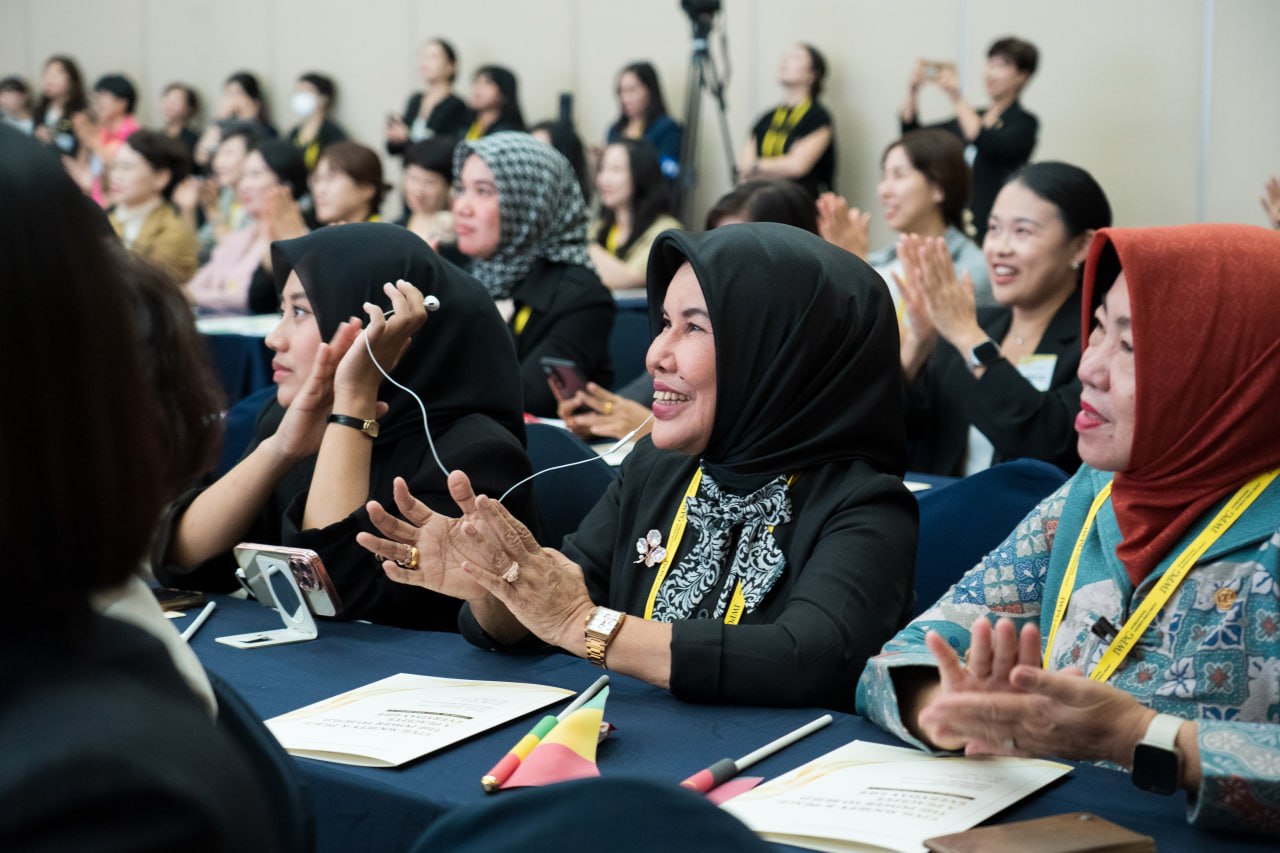
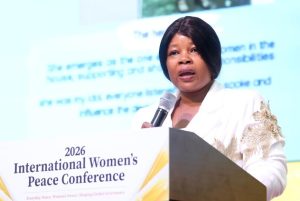
Cameroonian women’s voices were also heard at the 2026 International Women’s Peace Conference, held in Cheongju, North Chungcheong Province, South Korea, from September 17 to 18. Hosted by the International Women’s Peace Group (IWPG) under the theme “Everyday Peace, Women’s Power: Designing Global Governance,” the conference brought together approximately 800 participants from 31 countries, both in person and online. Attendees included former and current ministers, diplomats, and women leaders from civil society.
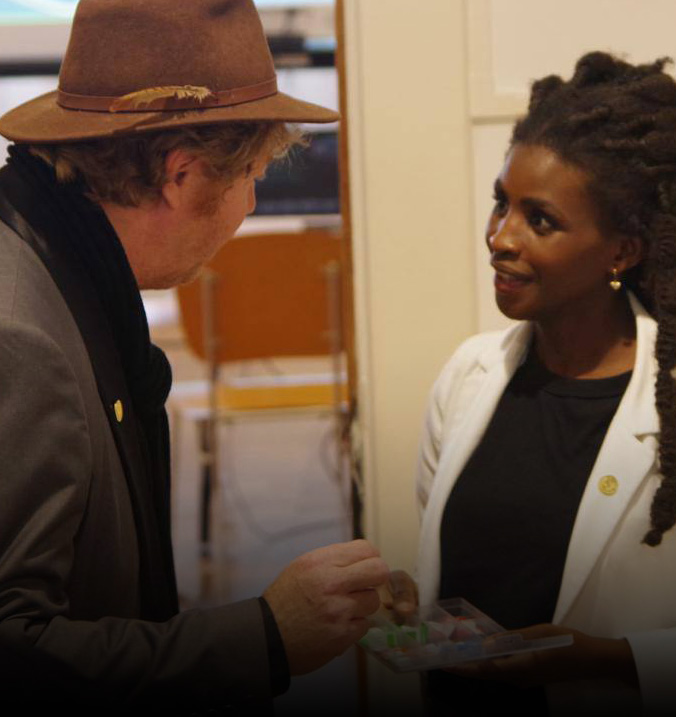
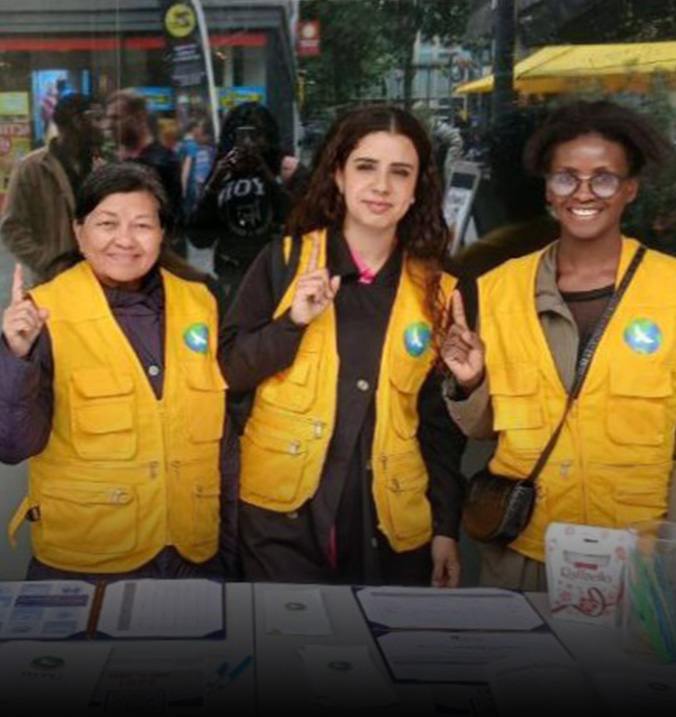
Representing Cameroon, Achiri Constance Ambo, representative of Hand in Hand Cameroon, took the stage as a featured presenter. She had consistently participated in IWPG activities, including the April 26 Peace Cultural Festival, online women’s peace education programs, and the Global Women’s Peace Forum. Drawing on her experience with peace education conducted in cooperation with IWPG Global Region 4, she spoke about how changes in women’s everyday lives and local communities can contribute to peacebuilding at the national level.
Ambo emphasized that improving women’s daily lives can lay the groundwork for peace across the country. When women take an active role in their communities, they can share what they have learned through education with their families and neighbors, helping bring about change at the community level. Her presentation resonated with participants, who recognized how one woman’s commitment to putting peace into practice can influence her family and community, and eventually connect with a wider network of people working for peace.
The conference also provided an opportunity to discuss cooperation with senior officials from Cameroon’s Ministry of Women’s Affairs. During the event, IWPG President Na Yeong Jeon, Secretary General Kyeong Nam Choi, and Global Region 4 Director Myeong Ok Jang met with Cameroonian women’s leader Francisca Moto Young for the 2026 High-Level Meeting on Women’s Peace Cooperation.
The participants discussed key issues addressed by Cameroon’s Ministry of Women’s Affairs and explored ways to improve women’s safety, prevent violence, strengthen women’s capabilities, and expand the reach of IWPG’s Peace Leadership Training & Education (PLTE) program in local communities. Both sides agreed to work toward sustainable women’s peace initiatives and closer cooperation in promoting a peaceful culture.
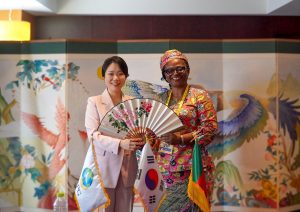
For Cameroonian women, these international gatherings offered more than an opportunity to share their experiences with the world. They also opened the door to new activities and partnerships. As what one woman learns inspires another to take part, experiences built in local communities can be shared across borders, gradually broadening the foundation for peace.
The peace journey that began with a first online greeting in 2023 continues today. Though they live in different places, Cameroonian women and their counterparts around the world are connected by a shared aspiration for peace. The relationships and cooperation built on the international stage may bring new changes to their communities in the days ahead.
Previous Story ☞ [Peace Journey – Cameroon ③] Children’s Laughter, Mothers’ Resolve: Bringing Peace Education into Everyday Life
First Story ☞ [Peace Journey – Cameroon ①] First Meeting Beyond the Screen Opens the Door to Cooperation with Local Women’s Organizations

Subscribe To Newsletter
We’d love to share everything we do with you. Sign up to stay informed.