Institutionalizing Peace Education: Fostering Sustainable Harmony for Future Generations — Wondesen Aregahegn Reta
2026.10.07
The global community faces pervasive instability driven by resource scarcity, geopolitical friction, and the erosion of cohesive social structures. While conflict disproportionately impacts vulnerable populations—particularly women and children—the restoration of social equilibrium requires systemic, long-term intervention rather than reactive measures alone. Cultivating an enduring culture of peace depends on establishing proactive educational frameworks that embed peaceful coexistence within societal consciousness.
Peace education serves as a fundamental mechanism to cultivate social cohesion, mutual understanding, and civic responsibility. Integrating peace curricula into primary and secondary education allows young learners to internalize conflict-resolution principles during key developmental stages. Early educational exposure ensures that future generations develop the cognitive and social capacities required to navigate interpersonal and societal disputes constructively.
To implement peace education effectively, structural support must operate cohesively across household, national, and international levels. At the foundational level, women play a crucial role in early socialization, making their active engagement in both household and formal educational settings essential for fostering a culture of peace and strengthening early conflict prevention.
At the national level, specialized state institutions are critical for institutionalizing peace initiatives. For example, Ethiopia’s Ministry of Peace works to mitigate conflict and strengthen social integration; however, such governmental strategies require close alignment with community-based educational programs to achieve meaningful reach.
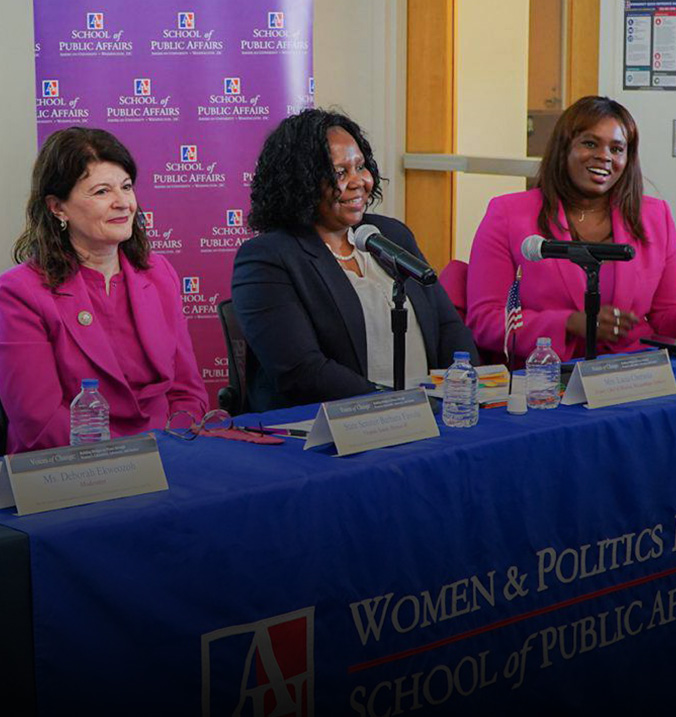
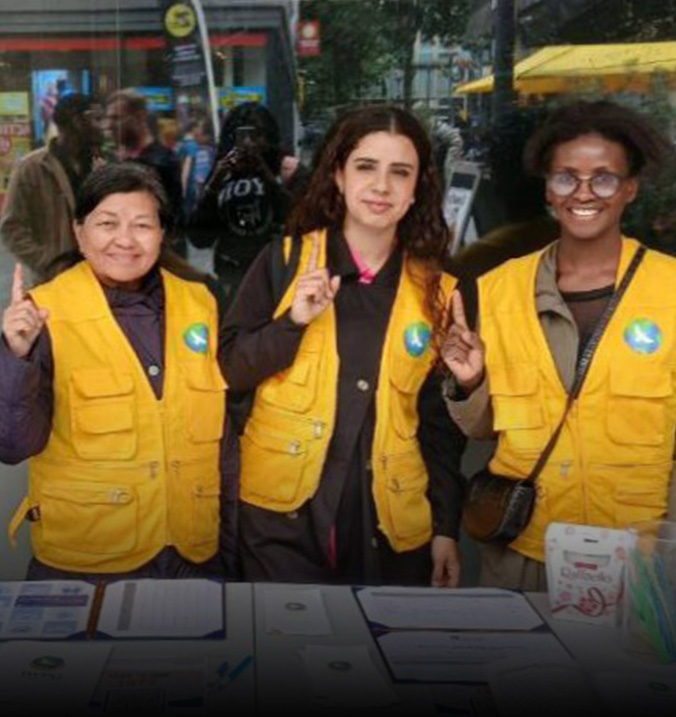
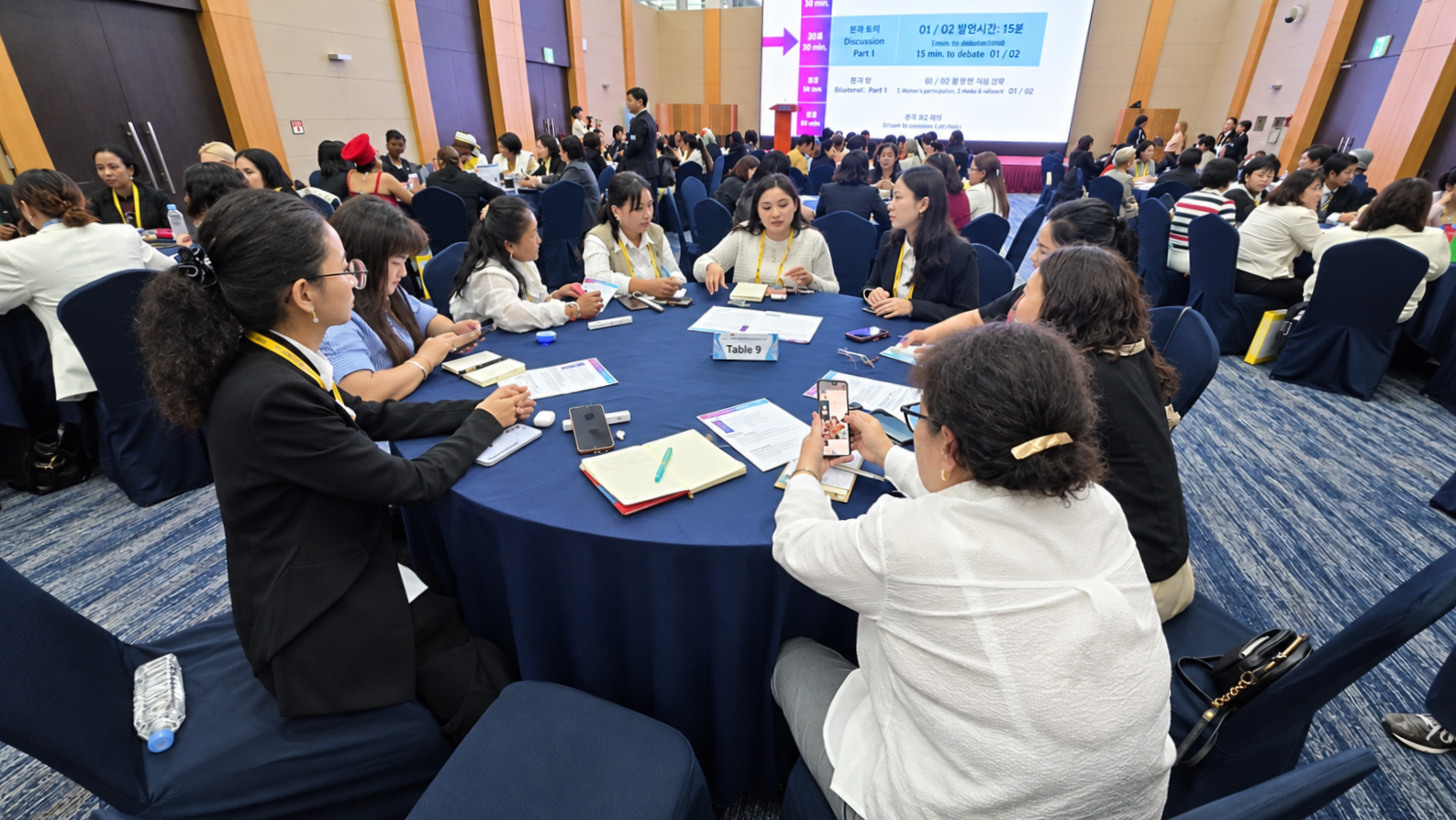
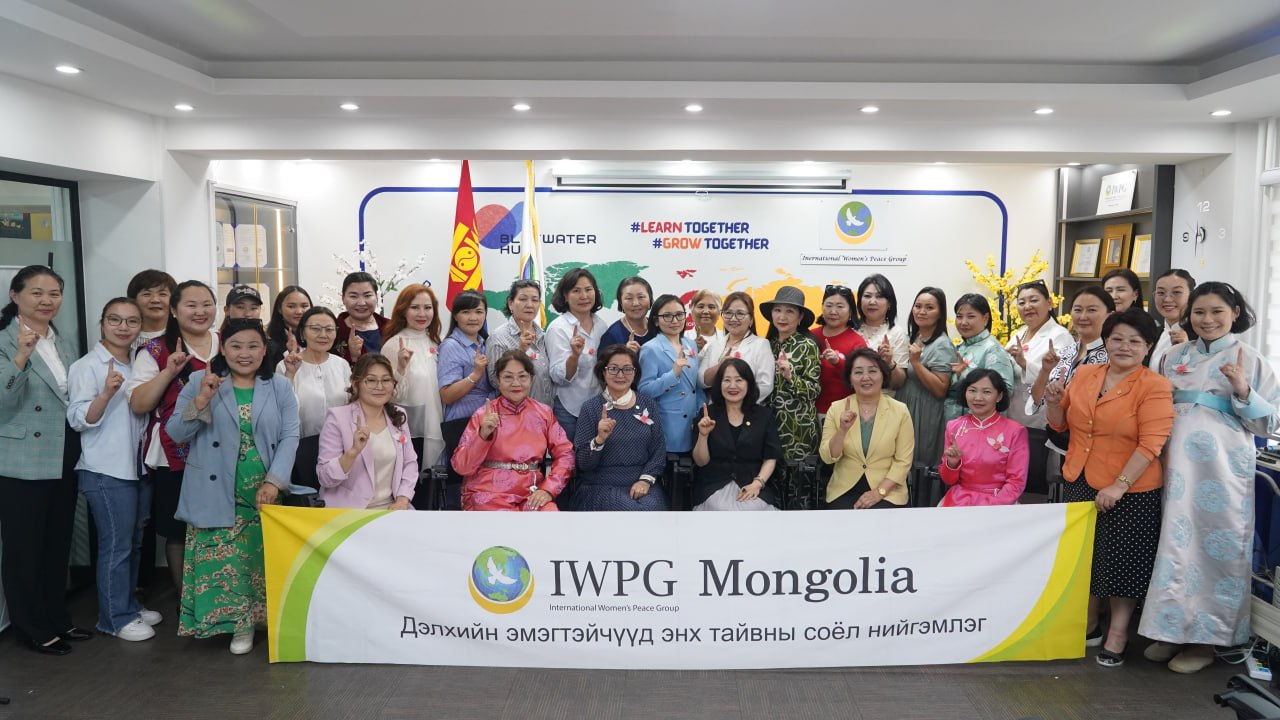
Furthermore, international non-governmental organizations, such as the International Women’s Peace Group (IWPG), complement these state efforts through programs such as Women’s Peace Education and the International Loving-Peace Art Competition, fostering a culture of peace and international solidarity among women, children, and youth.
Ultimately, ensuring lasting peace requires a structural shift from reactive conflict management to proactive prevention. Governments and non-governmental actors must form strategic partnerships to incorporate peace education directly into standard academic curricula, thereby equipping future generations with the foundational skills necessary to maintain global stability.

Subscribe To Newsletter
We’d love to share everything we do with you. Sign up to stay informed.