“Peace Begins Where We Live”: Interview with IWPG Peace Lecturer Hiba Al Ratel
2026.10.07
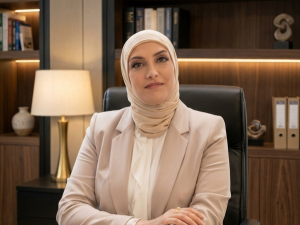
In Lebanon, Hiba Al Ratel has been working with women, youth, children, and local communities through education, mediation, conflict resolution, and peacebuilding. She is the Founder and President of Nasmah & Basma Association and also works in education and capacity building through the Learning Land Center in Akkar.
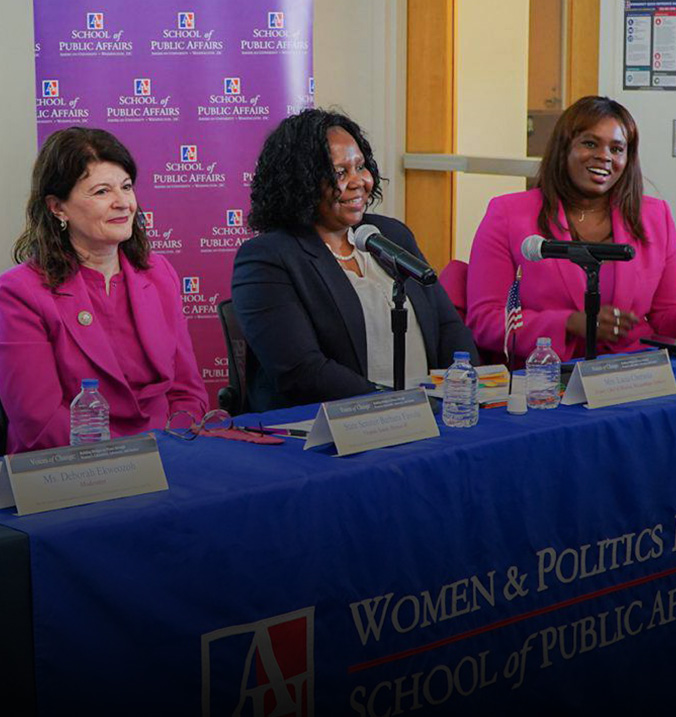
A community leader, local mediator, educator, and peacebuilding activist, Hiba has gained training and practical experience through organizations including UN Women, USJ, and International Alert, particularly in mediation, conflict analysis, positive communication, gender-sensitive approaches, and community-based peacebuilding. Through IWPG, she serves as a Peace Lecturer and works to promote peace education among women and youth in Lebanon.
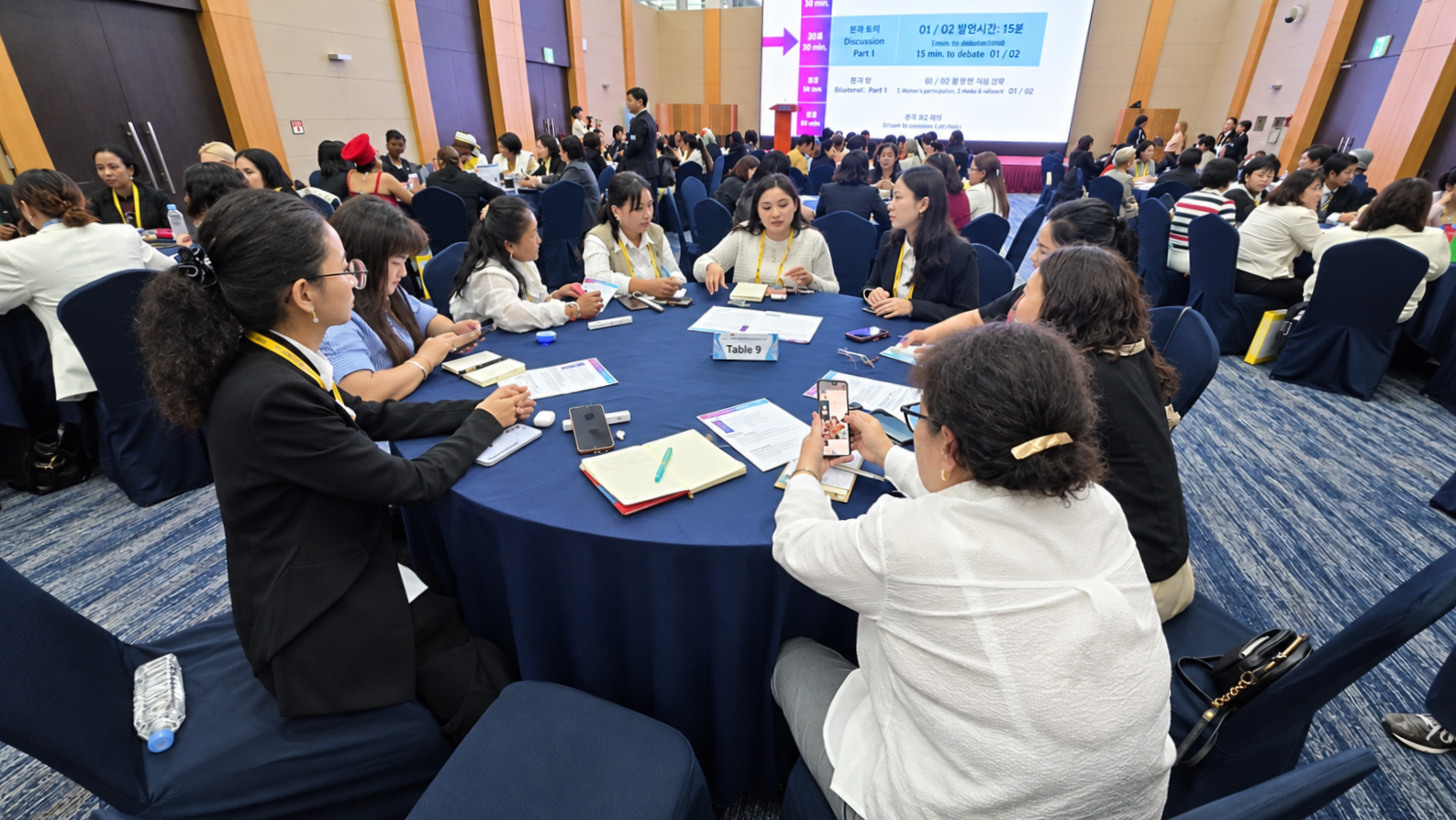
Recently, she conducted IWPG Women’s Peace Education for local women in Lebanon. For Hiba, women are not only among those affected by conflict but also important actors in preventing conflict and building peace. IWPG Inside spoke with Hiba about what peace means to her, the role of women in peacebuilding, her experiences with IWPG, and her hopes for expanding peace education in Lebanon.
“Peace begins with how we communicate with one another”
Q. First, could you please introduce yourself? Please briefly tell us about your current work and the main activities you are involved in.
A. My name is Hiba Ratel. I am a community leader, local mediator, educator, and peacebuilding activist from Lebanon. I am the Founder and President of Nasmah & Basma Association, and I also work in education and capacity building through the Learning Land Center in Akkar.
Over the years, I have worked closely with women, youth, children, and local communities in education, empowerment, mediation, conflict resolution, psychosocial support, and peacebuilding.
My professional journey has also included training and practical experience with UN Women, USJ, and International Alert, particularly in mediation, conflict analysis, positive communication, gender-sensitive approaches, and community-based peacebuilding.
Through my work with IWPG, I am continuing to develop my role as a Peace Lecturer and contribute to promoting a culture of peace and peace education among women and youth in Lebanon.
Q. What does “peace” mean to you? Was there a particular experience or moment that made you realize the importance of peace?
A. To me, peace means much more than simply the absence of war.
Peace begins with how we communicate with one another—with our willingness to listen, respect differences, manage disagreements constructively, and teach our children to value and respect others.
Through my work with local communities, I have witnessed how many conflicts can begin with fear, misunderstanding, prejudice, or simply a lack of meaningful communication.
My experiences in mediation and conflict resolution through UN Women, USJ, International Alert, and IWPG have deepened my understanding that peace must also be nurtured at the personal and local levels.
One experience that has particularly stayed with me is seeing women hesitate to speak openly about conflicts because they fear social judgment, being misunderstood, or the possible impact their words may have on their relationships within the community.
This has strengthened my belief that creating a safe and respectful space where people can speak openly, listen to one another, and seek mutual understanding is, in itself, an important step toward peace.
Q. How did you first learn about IWPG? What has been the most distinctive or impactful experience for you while working with IWPG? Have you experienced any personal change through your participation in IWPG activities?
A. My journey with IWPG has given me a valuable opportunity to connect my previous experience in mediation and community work with a broader vision of peace and peace education.
What I value most about IWPG is its belief that peace is not simply an issue to be discussed at the international level. It is also a value and a practical skill that each of us can learn, embody, and share with our families and communities.
My experience in the Peace Lecturer program has been especially meaningful. Preparing and delivering peace lectures encouraged me to reflect more deeply on how we can transform the concept of peace from an abstract idea into something practical—something that can be understood, practiced, and lived in our everyday lives.
My participation in the 8th International Loving-Peace Art Competition in Lebanon was another deeply meaningful experience. Through art, children and young people were given the opportunity to express their own understanding of peace. Seeing them convey their thoughts, hopes, and feelings about peace through their artwork was truly inspiring.
On a personal level, my involvement with IWPG has strengthened my conviction that peace should never remain merely a theoretical concept. It should reach the family, the classroom, women, youth, and local communities—and ultimately become a natural part of our everyday lives.
“Women are not only affected by conflict—they can help prevent it”
Q. Recently, you conducted IWPG Women’s Peace Education for local women in Lebanon. What inspired you to take on this role, and what was the most memorable moment for you during the program?
A. My main motivation was my belief that women are not only among those affected by conflict, but are also key actors in conflict prevention and peacebuilding.
I also serve as Executive Director of the Women of Peace Initiative, chaired by Ms. Naglaa Saad Al-Aqouri. This training marked the beginning of the initiative’s activities under the banner of IWPG.
Through my work with women in Lebanon, I have seen their ability to understand the needs of their families and communities, recognize tensions, support others, and contribute to finding solutions.
For this reason, I wanted peace education to be practical and closely connected to women’s lives and everyday experiences.
One of the moments that affected me most during the training was seeing the participants gradually become more comfortable expressing their opinions and experiences.
At first, some women hesitated to speak because they were afraid of being judged or were not accustomed to openly discussing sensitive issues. But when they began to feel that the space was safe, respectful, and free from judgment, the nature of the conversation started to change, and people began to listen to one another differently.
For me, this change in the atmosphere of the training was one of the most meaningful moments.
Q. Was there a particular response or story from one of the women who participated that stayed with you? Were there any moments when you noticed a change in the participants’ thoughts or attitudes as the program progressed?
A. What stayed with me more than any single story was the gradual change in the way the participants interacted with one another.
I noticed that when a woman is given a safe space to express her opinions and experiences without fear of judgment, she becomes more willing to listen to perspectives different from her own.
For me, this is a fundamental part of peacebuilding.
Sometimes we think that peace requires a major action or a major event. But a small change in the way a woman communicates with her family, handles a disagreement, or listens to someone whose views differ from her own can be the beginning of a much larger change.
When a participant begins to reconsider an idea she had always taken for granted, chooses to listen rather than judge, or tries to see a conflict from another person’s perspective, I feel that the training has achieved something important.
These moments remind me why peace education is necessary.
Q. Based on your experiences working with women in Lebanon, what role do you believe women can play in building peace within their families and communities?
A. I believe women can play a very important role in peacebuilding because they are often at the heart of family and community life.
Women can help promote positive communication within families, teach children how to deal with disagreements peacefully, identify early signs of tension, support those who are most vulnerable, and build bridges of communication among members of the community.
However, I also believe that women should not be viewed only as victims of conflict or as caregivers.
Women can be mediators, educators, community leaders, decision-makers, and active peacebuilders.
Through my experience in local mediation, I have seen that women often have a deep understanding of relationships within their communities and of tensions that may exist beneath the surface.
When women are given knowledge, confidence, safe spaces, and opportunities to participate, they can become essential partners in conflict prevention, dialogue, reconciliation, and sustainable peacebuilding.
“I want peace education to become part of everyday life in Lebanon”
Q. What are your hopes, dreams, and goals for peace in the future? What kind of activities would you like to pursue with IWPG in the future?
A. My dream is to see peace education become part of everyday life in Lebanon, particularly among children, youth, women, families, and local communities.
I would like to continue developing peace education programs that connect the values of peace with practical skills such as communication, mediation, conflict prevention, empathy, digital safety, and responsible citizenship.
With IWPG, I hope to contribute to expanding peace education activities in Lebanon and reaching more women and young people, especially in communities where access to such programs is limited.
I also hope to connect peace education with education, creativity, technology, and community initiatives through Nasmah & Basma Association and Learning Land Center.
My goal is not simply to organize activities or training programs, but to contribute to nurturing people who carry the values of peace with them and share those values with their families and communities.
Q. If someone asks you in the future, “What have you done for peace?” what would you like to tell them?
A. I would tell them:
“I did not wait for peace to come from somewhere else. I began where I live, with the people around me.
I have worked with women, children, youth, families, and local communities. I have learned and practiced mediation and conflict resolution, supported women in expressing their voices, created spaces for dialogue, and taken part in promoting peace education.
Through UN Women, USJ, International Alert, and IWPG, as well as through my work with Nasmah & Basma Association and in the field of education, I have tried to transform peace from simply an idea into a practice that people can live out in their everyday lives.
If there is one message I would like to leave behind, it is this:
Peace begins with us.
It begins with the way we speak, the way we listen, the way we treat others, and the values we pass on to the next generation.
If I can help even one woman choose dialogue over conflict, help one child understand the value of respect, or help one community find a peaceful way to resolve a disagreement, then I believe I have contributed, even in a small way, to building peace.
That is the legacy of peace I hope to leave behind.”

Subscribe To Newsletter
We’d love to share everything we do with you. Sign up to stay informed.