Beyond the Absence of War: Building Peace Through Respect and Dialogue — An Interview with Afghan Politician Simeen Hussaini
2026.10.28
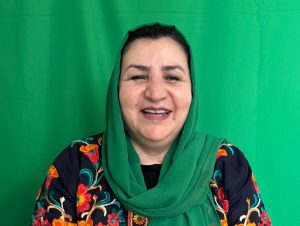
What does it take to build peace? For Simeen Hussaini, a former provincial council member who represented women in Afghanistan’s Takhar Province, peace must mean more than an end to armed conflict. It also requires justice, gender equality, education, and cooperation—conditions that allow people to live safely and build better lives.
Hussaini entered politics after witnessing the hardships faced by women and families living in poverty. She later founded a local radio station to give women and their communities a platform to be heard. Now based in Toronto, Canada, she continues her media and social work through Etifaq TV, a digital media platform she founded.
Her work with the International Women’s Peace Group (IWPG) has further broadened her understanding of peace. Through exchanges with women from different countries and cultures, she has come to appreciate the importance of peace education and international solidarity. She believes peace is built not only through major initiatives, but also through everyday acts of respect, dialogue, and cooperation. In this interview, Hussaini discusses the role of women’s voices, the importance of peace education, and the future she hopes to build with IWPG.
Giving Women a Voice and Working Toward Peace
Q. Could you briefly introduce yourself?
A. My name is Simeen Hussaini. I was born in Badakhshan Province, Afghanistan, and completed my high school and university education in Takhar Province, where I studied law and political science. I have more than ten years of experience working in social development with international organizations.
While visiting villages and districts across Takhar, I saw the difficult conditions in which many people lived, particularly women facing poverty and hardship. Those experiences motivated me to run for the Provincial Council. With the support of local residents, I was elected in Afghanistan’s first Provincial Council elections. I served two terms, a total of eight years, representing women in Takhar Province and working to ensure their voices were heard in the council.
In 2007, I also founded Radio Hamsada alongside a large group of women. The station became a platform for women and local communities whose voices had often gone unheard.
For the past four years, I have been living in Toronto, Canada, where I founded Etifaq TV, a digital media platform. I continue to pursue my media work and social activities here.
Q. Do you remember your first encounter with IWPG? What was your impression?
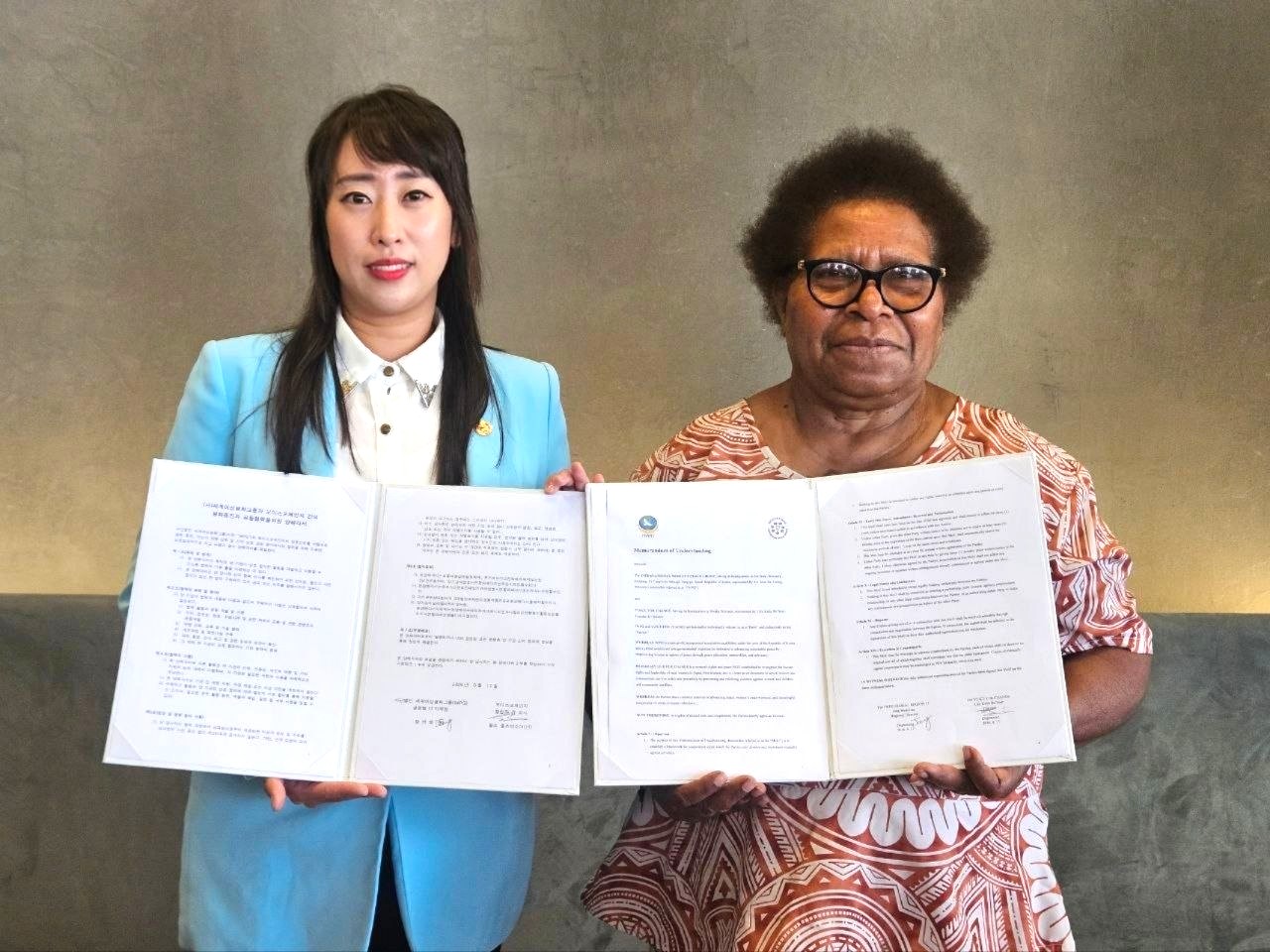
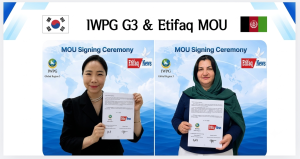
A. Yes, I remember it very well. I met Heo Eun-ju, Regional Director, and Hee-young Park, Regional Operations Manager, from IWPG Global Region 3 in New York. We were all attending the 70th session of the United Nations Commission on the Status of Women (CSW70).
I felt an immediate connection with them. As we discussed our goals and work, I realized that we shared many of the same values. They were working to promote peace around the world, and I was also looking for opportunities to deepen my understanding of peace and collaborate with people committed to building a more peaceful world.
What impressed me most was IWPG’s sincere commitment to bringing women from different countries and cultures together around a common goal: lasting peace. Its emphasis on peace education, international solidarity, and women’s role as peace leaders was particularly inspiring to me.
Q. How has working with IWPG changed your perspective on peace?
A. I committed myself to working with IWPG to promote a culture of peace. My country, Afghanistan, needs peace now more than ever. People need a peaceful environment in which they can work toward justice, gender equality, development, lower unemployment, and an end to poverty. People need both peace and bread.
Working with IWPG and learning through its programs helped me understand that peace is much more than the absence of war and conflict. It also encompasses justice, respect, education, and cooperation.
I have learned that lasting peace begins with our everyday relationships, our communities, and our social institutions. IWPG has also helped me understand how collective action and peace education can bring about meaningful social change.
How Everyday Respect and Education Build Peace
Q. What has been the most memorable moment in your peacebuilding work?
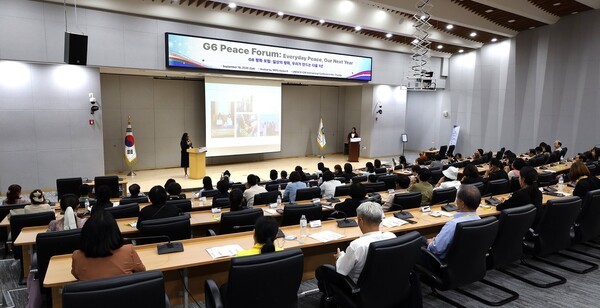
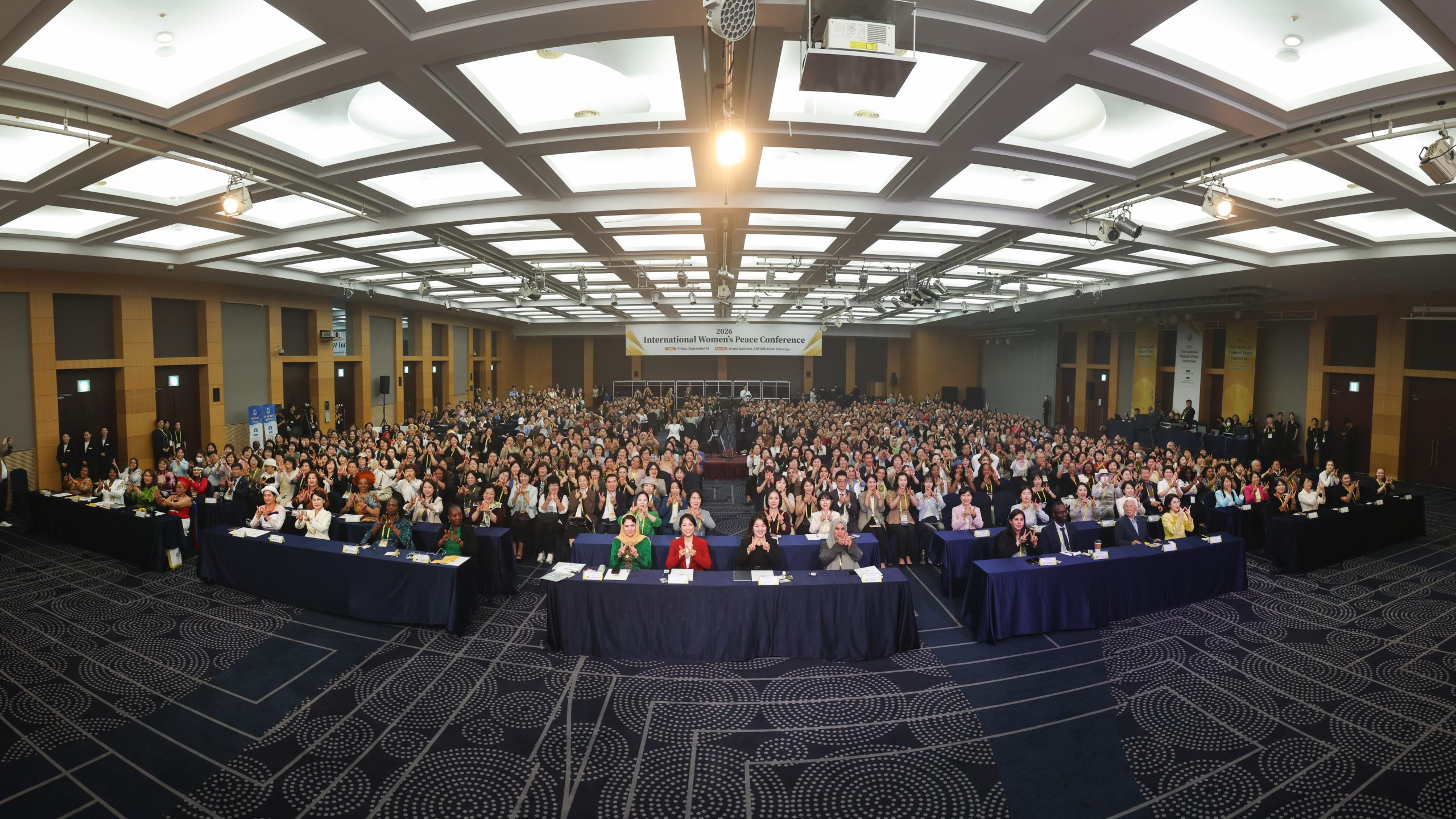
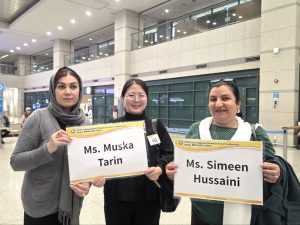
A. One of my most memorable experiences was attending the International Women’s Peace Conference in South Korea in 2026.
I met women leaders from different countries and listened to their stories of resilience, strength, and efforts to build peace. Their experiences showed me the power of international solidarity. Although our lives and experiences may differ, our shared desire for peace brings us together.
Peace and justice are essential for everyone, everywhere. We must remember that peace grows through justice, and justice becomes stronger when people have access to education. Governments must provide opportunities for education and employment to everyone, regardless of gender.
Q. Have you learned anything unexpected through your peacebuilding activities?
A. Yes. I have learned that even small acts—showing kindness, listening to others, and having respectful conversations—can make a real difference.
I used to think that peacebuilding required large-scale programs and major initiatives. Now I understand that lasting peace can begin with ordinary people choosing understanding over division and cooperation over conflict.
I have also learned how important it is to respect and value ourselves. During a peace conference in 2026, I attended a workshop with women from different countries. One participant from Australia was asked whom she loved most in her life. While many people answered that they loved their children or parents most, she said, “I love myself the most.”
She explained that we must first learn to live in peace within ourselves before we can become positive role models for our children. Her words helped me understand that peace education begins with our own lives and that the values we practice can be passed from one generation to the next.
Q. What is the most important factor when people work together for peace?
A. Mutual respect and honest dialogue.
Peace can flourish when people listen to one another, value different perspectives, and work together with trust and compassion. Cooperation across cultures, generations, and communities helps us build a more peaceful world.
Q. What change does society need most urgently to achieve peace?
A. I believe society must invest in peace education and foster a culture of respect and equality.
When children learn the values of peace from an early age, they become better equipped to resolve disagreements peacefully and respect human dignity. They can also take an active role in building peace within their communities and beyond. Peace education does more than shape individual attitudes; it lays the foundation for change throughout society.
Empowering Women and Passing Peace on to Future Generations
Q. What changes would you like to bring about with IWPG in the future?
A. I hope to work with IWPG to expand peace education programs in my community and beyond, especially for women and young people. I want more people to have opportunities to learn about peace and put its values into practice.
I would also like to strengthen international networks that empower women to become peace leaders and create more opportunities for communities affected by conflict. These efforts could help people share their voices, experiences, and lessons about peace with others around the world.
Q. If someone asked you, “What have you done for peace?” how would you answer?
A. I would say that I have used my voice, the media platforms I manage, and my social activities to promote dialogue, mutual understanding, and hope.
I have organized activities in which children were invited to draw what peace means to them. Through their drawings, adults could see how children imagine peace: being able to play safely, spend time with their parents and friends, and enjoy happy moments together.
I have also worked to amplify women’s voices, organize discussions and peace education activities, encourage peaceful solutions to challenges, and connect people from different cultural backgrounds.
Sharing what I have learned from IWPG and raising awareness of the importance of peace are also part of my contribution. I want to help build communities where mutual understanding can grow, where everyone feels valued and heard, and where people recognize that peace is part of everyday life.
Peace is something we must nurture continuously. We must resolve misunderstandings through dialogue and ensure that women have a voice in decision-making at every level.

Subscribe To Newsletter
We’d love to share everything we do with you. Sign up to stay informed.